

Cleanrooms are specialized environments where the air quality must meet strict standards to prevent contamination. These spaces are critical in industries such as biotechnology, electronics, medical devices, and research and development (R&D), where even the smallest particles or microbes can impact the quality of products or processes. Air filtration plays a vital role in ensuring that cleanrooms meet the required cleanliness levels by removing airborne contaminants.
This article explores the role of air filtration in cleanroom design, types of filtration technologies, and the importance of regular maintenance. We will also provide practical advice for selecting the right air filtration system and keeping your cleanroom compliant with industry standards.
Air filtration systems are designed to remove contaminants such as dust, bacteria, mold, and chemical particles from the air. These systems are critical in cleanrooms because airborne particles can compromise product quality, damage sensitive equipment, or lead to regulatory non-compliance.
Cleanrooms must have filtered air to create a controlled environment free of pollutants that can interfere with manufacturing or research processes. In biotech, medical device production, and R&D environments, air filtration systems are essential for maintaining particle-free conditions tailored to each field’s needs.
In electronics, microchip and semiconductor manufacturing demand a high level of air purity to prevent particle contamination, which could lead to product defects. Biotechnology, R&D, and medical device manufacturing require similarly strict contamination control to maintain accuracy and product safety standards.
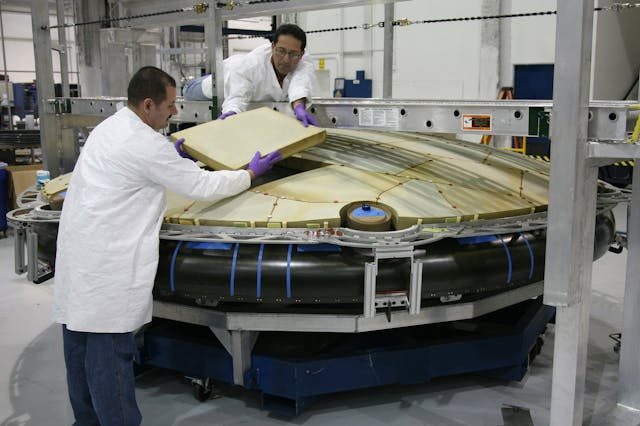
Clean, controlled air is critical in these industries to maintain the integrity and quality of sensitive products and processes. Air filtration systems control airflow to maintain positive or negative pressure within a cleanroom, preventing contamination from external sources. These systems are carefully designed to meet cleanliness standards based on the specific needs of each industry.
Air filtration in cleanrooms typically involves multiple levels of filters to ensure all contaminants are removed. Below are the most common types of filtration technologies used:
HEPA filters efficiently trap 99.99% of particles as small as 0.3 microns. These filters are commonly used in cleanrooms for applications that require a moderate level of cleanliness, such as R&D facilities and medical device manufacturing.
ULPA filters offer a higher filtration efficiency, removing 99.999% of particles as small as 0.12 microns. These filters are typically used in high-grade cleanrooms, such as those required for advanced biotechnology or aerospace applications.
Pre-filters are often used in air filtration systems to capture larger particles before the air passes through HEPA or ULPA filters. They extend the lifespan of primary filters by reducing the load on them and are an essential part of multi-stage filtration systems.

HEPA filters are the most widely used air filters in cleanrooms due to their high efficiency and relatively low cost. These filters can trap dust, pollen, mold, and bacteria, ensuring clean air within the space.
ULPA filters provide even higher filtration efficiency than HEPA filters, making them ideal for industries that require extremely clean air. These filters are used in cleanrooms with strict contamination control, such as advanced biotechnology and R&D facilities.

Regular maintenance is essential to keep air filtration systems working effectively and to prevent contamination. Filters can become clogged over time, reducing airflow and making the system less efficient. If filters are not replaced on schedule, they can allow particles to enter the cleanroom, compromising cleanliness.
Cleanrooms must meet specific standards, such as ISO classifications, which specify cleanliness classes for airborne particles in cleanrooms. Air filtration systems are critical to compliance, and it is essential to keep them well-maintained to avoid violations.
Selecting the right air filtration system involves assessing the specific needs of your cleanroom and industry. Several factors must be considered to ensure that the system meets both operational requirements and budget constraints.
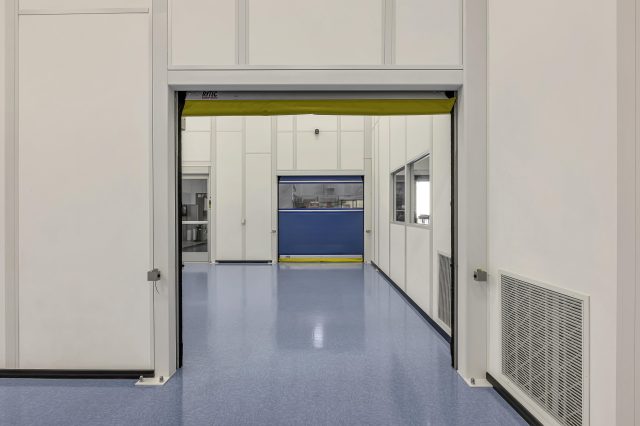
Consulting with air filtration experts can help you select the best system for your cleanroom. Additionally, performance validation tests ensure that the system meets required standards and functions correctly from the start.
Air filtration is essential for maintaining the cleanliness of cleanrooms and ensuring product quality and safety across various industries. HEPA and ULPA filters play a critical role in removing airborne particles, with each type suited to different applications.
Regular maintenance and careful monitoring are necessary to keep filtration systems running efficiently and to ensure compliance with industry standards. If you are designing a cleanroom or need to upgrade your existing air filtration system, Modulus Cleanrooms can help.
Our team offers custom cleanroom solutions tailored to your industry requirements, from selecting the right air filtration system to providing expert consultation and compliance support. Contact Modulus Cleanrooms today to learn more about how we can help you create and maintain a cleanroom that meets the highest standards of air quality and safety.