

Anterooms play a crucial role in maintaining contamination control within cleanroom environments. These transition spaces act as controlled buffers between clean and non-clean areas, ensuring that particles, microorganisms, and other contaminants are minimized before personnel or materials enter sensitive zones.
At Modulus Cleanrooms, we understand the importance of these spaces in industries like biotechnology, microelectronics, and medical device manufacturing, where ISO compliance is vital for ensuring product integrity, safety, and regulatory adherence. Understanding how anterooms contribute to ISO standards helps organizations maintain optimal cleanliness levels.
An anteroom, often called a “cleanroom vestibule,” is a small, enclosed space located between two areas of differing cleanliness levels. It functions as an airlock, preventing cross-contamination when people, equipment, or materials move between these spaces. The anteroom controls air pressure, humidity, and temperature to preserve the integrity of the cleaner zone.
Key features include:
There are two primary types of anterooms:
Both designs play an essential role in preventing the introduction of contaminants into cleanrooms and maintaining controlled conditions that meet ISO standards.
ISO cleanroom classifications, as defined by ISO 14644-1, categorize cleanrooms based on the allowable number of airborne particles per cubic meter. These classifications range from ISO Class 1 (the cleanest) to ISO Class 9. Each class requires strict adherence to air quality, pressure, and filtration standards.
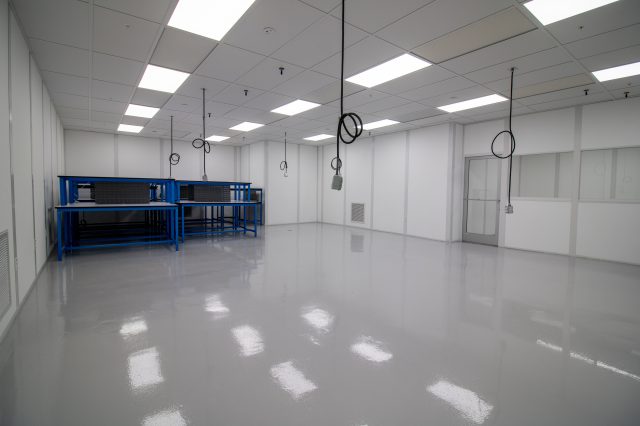
Anterooms are integral to achieving and maintaining these classifications because they act as controlled buffer zones between clean and non-clean environments. When personnel or materials enter the cleanroom, the anteroom serves as the first line of defense, capturing airborne contaminants through controlled airflow, air showers, and HEPA filtration. This minimizes the introduction of particles that could compromise product quality or sterility.
In addition, ISO 14698 emphasizes biocontamination control in cleanrooms, and anterooms help meet these requirements by providing a structured entry process. Through effective design and maintenance, they support the continuous compliance of cleanrooms with ISO cleanliness standards and operational integrity.
Pressure balancing is a critical aspect of maintaining cleanroom integrity. In anterooms, differential pressure is carefully regulated to ensure air consistently flows from cleaner areas toward less clean zones.
This directional airflow prevents the backflow of contaminants. Typically, anterooms maintain a positive pressure relative to adjacent spaces, with precision sensors continuously monitoring pressure levels to maintain ISO compliance.
Fan Filter Units (FFUs) are another key component in modern anterooms. These self-contained units incorporate HEPA or ULPA filters and provide consistent laminar airflow, reducing particle concentration in the room. FFUs help maintain air cleanliness and prevent contamination from personnel movement or door openings.
To ensure optimal performance, facilities should implement air pressure monitoring systems and regularly calibrate FFUs. A perfectly balanced pressure system and reliable FFU setup are essential not only for compliance with ISO standards but also for extending cleanroom life and maintaining a controlled environment.
Anterooms serve a wide range of industries that rely on controlled environments to protect sensitive products and processes:

In every case, anterooms strengthen contamination control and safeguard processes that demand the highest levels of environmental stability.
Anterooms are not always mandatory in every cleanroom setup, but they become essential when ISO standards, process requirements, or regulatory guidelines call for advanced contamination control. Industries such as biotechnology and medical device manufacturing must comply with Good Manufacturing Practices (GMP), which often mandate the inclusion of airlocks and anterooms to prevent contamination between classified spaces.
Design considerations also determine the need for anterooms. When a facility has multiple cleanliness zones, varying pressure levels, or frequent personnel movement, an anteroom becomes critical for maintaining balance and consistency. Additionally, any process that involves the handling of sterile materials, hazardous substances, or micro-sensitive components benefits from an anteroom.

Anteroom requirements are further influenced by operational needs such as gowning procedures, material transfers, and air stability. Including anterooms in the cleanroom design enhances compliance, improves safety, and supports a smoother, contamination-free workflow across critical areas.
Effective anteroom design starts with proper zoning and pressure control planning. Airflow should always move from the cleaner side toward the less clean side, with a recommended pressure differential of at least 0.03 inches of water gauge between zones. Integrating FFUs or centralized filtration ensures consistent particulate control.
Materials used in construction should be non-porous and easy to sanitize, such as epoxy-coated panels or stainless steel surfaces. Floors should be seamless to prevent dirt accumulation. For optimal functionality, doors must seal tightly, and interlocking mechanisms should prevent both doors from opening simultaneously.
Regular maintenance is vital to sustaining ISO compliance. Facilities should schedule periodic HEPA filter checks, pressure validation, and particle count testing. Training staff on gowning procedures, door protocols, and contamination prevention is equally important. A well-maintained anteroom ensures long-term performance, energy efficiency, and continued alignment with ISO cleanroom standards.
Anterooms are essential components in achieving and maintaining ISO-compliant cleanroom environments. They provide controlled transitions, prevent contamination, and stabilize air pressure, ensuring consistent product quality and safety.
For expert cleanroom design, construction, and certification, contact Modulus Cleanrooms, a trusted partner in creating efficient, compliant, and customizable cleanroom solutions for modern industries.