

When it comes to laboratory safety and cleanroom construction, understanding biosafety levels (BSLs) is crucial. Biosafety levels are a set of standards designed to contain and manage infectious agents based on the level of risk they pose to humans and the environment. These levels, categorized from BSL-1 to BSL-4, outline the necessary precautions, facility designs, and protocols required to safely conduct biological research or handle pathogens.
For companies like Modulus Cleanrooms, which specialize in designing and building controlled environments, aligning construction standards with the appropriate biosafety level ensures the safety of lab personnel and the effectiveness of the facility.
Biosafety levels are determined by factors such as the severity of disease caused by the agent, how easily it can be transmitted, the risk to the environment, and whether effective treatments or vaccines are available.
The higher the BSL, the greater the containment measures required. These levels were established by the Centers for Disease Control and Prevention (CDC) and the National Institutes of Health (NIH) to ensure safe laboratory practices when dealing with infectious microorganisms.
For cleanroom builders, understanding these levels is vital to ensure that the correct HVAC systems, airflow controls, materials, decontamination procedures, and access controls are integrated into the facility design.
BSL-1 laboratories work with microbes that are not known to consistently cause disease in healthy adults. Examples include non-pathogenic strains of Escherichia coli and Bacillus subtilis.

BSL-1 environments are common in high schools, universities, and basic research institutions. These labs are ideal for introductory microbiology courses and research involving minimal-risk agents.
BSL-2 labs work with agents that pose moderate hazards to humans and the environment, such as Staphylococcus aureus, Hepatitis B virus, and Salmonella species. These organisms can cause disease, but are usually treatable and preventable.
These labs are used in diagnostic facilities, clinical laboratories, and research institutions studying pathogens transmitted through ingestion or percutaneous exposure. BSL-2 cleanrooms must also accommodate bloodborne pathogens like HIV and Hepatitis.
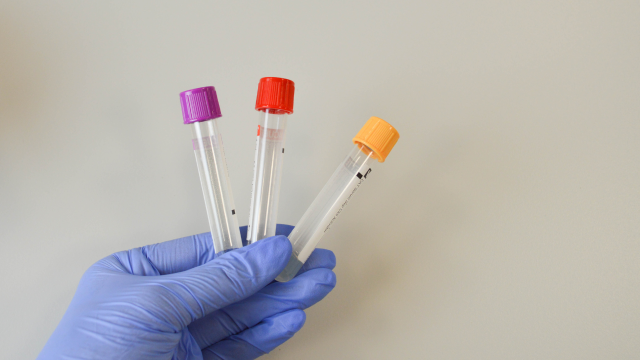
BSL-3 labs handle indigenous or exotic microbes that can cause serious or potentially fatal diseases through inhalation. Examples include Mycobacterium tuberculosis, SARS-CoV-2, and West Nile virus.
BSL-3 facilities are used in clinical, diagnostic, teaching, research, and production facilities working with agents that pose a high respiratory risk. These labs must maintain stringent engineering controls and are often used in medical development or infectious disease research.
BSL-4 is reserved for the most dangerous and exotic agents that pose a high risk of life-threatening disease and for which there are no available vaccines or treatments. Examples include the Ebola virus, Marburg virus, and Lassa fever virus.
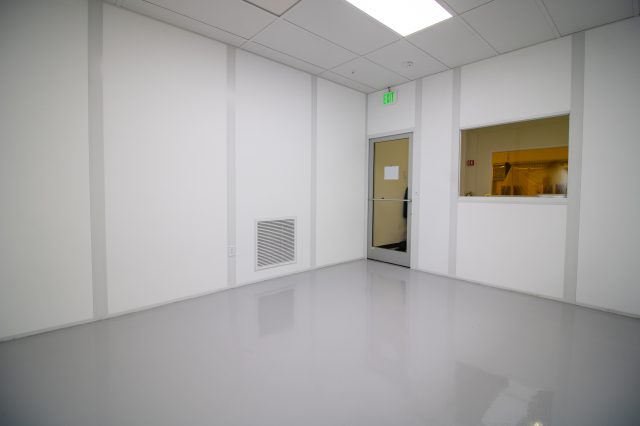
BSL-4 facilities are extremely rare and are usually found in government research centers or specialized virology institutes. These cleanrooms must be custom-built with redundant safety systems, making them the most complex and expensive to design and construct.
For cleanroom builders like Modulus Cleanrooms, designing a facility that meets the specific requirements of a designated biosafety level involves more than just construction. It requires expertise in:
Building a cleanroom also includes collaborating with biosafety officers, laboratory scientists, and regulatory authorities to ensure every feature aligns with CDC, NIH, and WHO guidelines.
Failure to comply with biosafety standards can result in serious consequences, including:
By understanding the distinctions between BSLs and implementing them into facility design, Modulus Cleanrooms helps ensure labs remain safe, efficient, and compliant.
Whether you’re building a simple research lab or a high-containment facility, knowing the differences between biosafety levels is essential. Each level adds another layer of protection, from basic hygiene and PPE protocols in BSL, 1 to full isolation and air-supplied suits in BSL-4. As biological research evolves and new pathogens emerge, the demand for precision-engineered cleanrooms tailored to these safety standards becomes even more critical.
At Modulus Cleanrooms, we specialize in constructing high-performance cleanroom facilities that meet the exacting demands of biosafety compliance. Reach out today to learn how we can help design a biosafe environment that meets your research and operational goals.