
According to the U.S. Food and Drug Administration (FDA), many recalls occur each year due to contamination, mislabeling, or manufacturing errors. These issues can pose serious health risks to people and are often preventable with proper quality control systems. This is where cGMP plays a vital role.
Modulus Cleanrooms has put together this article to help explain what cGMP stands for, why it matters, and how companies can benefit from following its principles.
cGMP stands for Current Good Manufacturing Practices. These are the regulations and systems manufacturers must follow to ensure their products are consistently produced and controlled according to established quality standards. The word “current” highlights the need for companies to stay up to date with the latest manufacturing technologies and industry practices.
These regulations are enforced by government agencies such as the FDA in the United States. cGMP standards apply across various health-related sectors, including biotechnology and medical devices. They are designed to minimize risks in production that cannot be eliminated through final product testing alone.
cGMP is critical in fields where product safety and effectiveness directly affect human health. It provides a structured and standardized approach to manufacturing, helping ensure that each batch of product meets quality specifications. Without cGMP, there would be no consistent method to guarantee the safety and reliability of life-saving medications or devices.
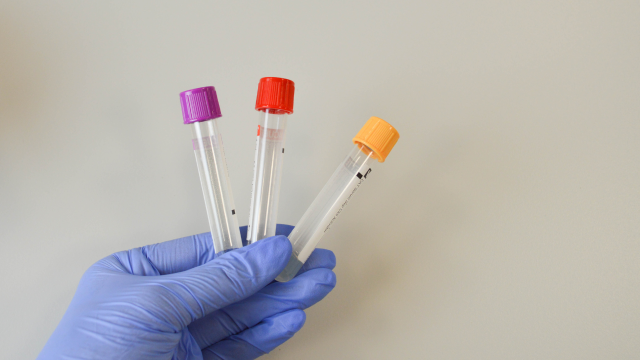
Medications must be safe and effective every time they are produced. cGMP helps manufacturers prevent contamination, incorrect labeling, and dosage errors by enforcing strict production controls and testing procedures. These measures ensure that drugs consistently deliver their intended therapeutic effects.
Biotechnology involves advanced processes that are sensitive to even small variations. By providing a reliable framework for process control and validation, cGMP supports innovation in this sector. Companies can bring new products to market with confidence that quality is not compromised.
Whether it’s a surgical tool or an implantable device, its performance must be consistent and dependable. cGMP helps ensure that devices are manufactured under controlled conditions with appropriate testing at each stage to confirm safety and function.
One of the main pillars of cGMP is having qualified and well-trained staff. Employees must be competent in their roles and understand the procedures, equipment, and compliance requirements relevant to their responsibilities. Ongoing training is necessary to keep up with new practices and updated regulations.
Quality control involves regular testing of materials and products throughout the manufacturing process. Every product batch must meet predefined standards before release. If any variation or issue is found, it must be documented, investigated, and resolved to maintain the integrity of the production system.

Documentation is essential for traceability and accountability. cGMP requires detailed records of every manufacturing step, from raw material sourcing to final product testing. These records are also vital during regulatory inspections and audits.
Regulatory authorities regularly update cGMP guidelines based on new scientific research, risk assessments, and technological progress. Companies must regularly update their processes to stay in compliance. Remaining up to date is not optional; it is a critical part of maintaining operational approval.
As manufacturing technologies evolve, automation, real-time monitoring, and data analytics are increasingly used in cGMP-compliant environments.
For example, automated monitoring systems can detect temperature shifts or contamination risks in real time, so teams can make quick adjustments to maintain consistency and prevent errors before they affect product quality. However, any new technology must be properly validated and integrated into the existing quality system.
Efforts are underway to align cGMP regulations across regions like the United States and Europe. The FDA and European Medicines Agency (EMA) often work together to harmonize their standards. This makes it easier for companies to meet regulatory expectations in multiple countries without duplicating processes.
Global harmonization benefits companies by simplifying the process of entering new markets. Products manufactured under harmonized cGMP standards are more likely to gain faster approvals and wider acceptance, helping expand international reach and ensuring consistent quality for people worldwide.

Non-compliance can result in unsafe or defective products reaching the market. This often leads to recalls, which are expensive and damaging to a company’s reputation. In severe cases, people’s safety may be compromised, prompting regulatory investigations and sanctions.
Beyond the direct costs of recalls, companies can face significant fines, legal penalties, and operational downtime. They may also lose contracts or be banned from certain markets if they fail to meet regulatory expectations.
Trust is crucial. A single instance of non-compliance can damage a company’s reputation with regulators, customers, and the public. Rebuilding that trust takes time and resources that could otherwise be invested in growth and innovation.
cGMP, or current Good Manufacturing Practices, forms the foundation of safe, consistent, and high-quality manufacturing across the life sciences industry. From medical devices to product manufacturing, following cGMP ensures that products are made under controlled conditions, with properly trained staff, strong quality control, and thorough documentation.
Compliance is about protecting health and safety, maintaining public trust, and supporting innovation. For companies looking to meet or maintain cGMP standards, the right cleanroom environment is essential.
Modulus Cleanrooms specializes in designing and building controlled spaces that meet strict regulatory requirements. From concept to compliance, our team provides end-to-end support to help you achieve operational excellence. Contact Modulus Cleanrooms today to learn how we can help your facility meet the highest standards of quality and safety.