

In industries where precision and product integrity are necessary—such as medical devices, biotechnology, electronics, and aerospace—controlling the environment is essential. Cleanrooms are highly controlled spaces designed to maintain specific levels of air quality, temperature, and positive pressure to prevent contamination.
Whether you’re manufacturing medical devices, semiconductors, or conducting research, choosing the right cleanroom can make all the difference in ensuring compliance with industry regulations and protecting the quality of your products. Selecting the right cleanroom is not a one-size-fits-all process.
Every industry has unique requirements and operating procedures that dictate the cleanroom’s design, classification, and maintenance protocols. This guide will walk you through the critical factors to consider when choosing the right cleanroom for your industry, ensuring you make an informed decision that aligns with both your operational needs and regulatory standards.
The first step in choosing the right cleanroom is understanding your industry’s specific cleanliness and regulatory requirements. Different industries have different levels of sensitivity to contaminants, and each industry will have standards you must comply with. For example:
Understanding these specific requirements will guide you toward the right cleanroom classification and features for your business.

The amount and size of particles permitted per cubic meter of air in a cleanroom determines its classification. The International Organization for Standardization (ISO) developed the ISO 14644-1 standard, which provides cleanroom classifications ranging from ISO Class 1 to ISO Class 9.
Choosing the right classification depends on your industry standards and the sensitivity of your processes to contaminants. Make sure to assess whether your cleanroom needs to comply with standards like ISO 14644-1 or the FDA’s cGMP (Current Good Manufacturing Practices).
The layout and size of your cleanroom depend on the nature of your operations, the equipment used, and the number of personnel involved. Cleanrooms can range from small modular units to large custom-built spaces.

Consider how much space you’ll need for equipment, workers, and product flow. Also, take into account whether you’ll need additional zones for gowning, sterilization, or material transfer.
The materials used to construct your cleanroom play a vital role in ensuring that the environment stays free from contaminants. Some important factors to consider include:
Choose materials that are compatible with the cleaning agents and disinfectants used in your industry. For instance, if you work in the pharmaceutical industry, your cleanroom materials should be resistant to harsh chemicals used for decontamination.
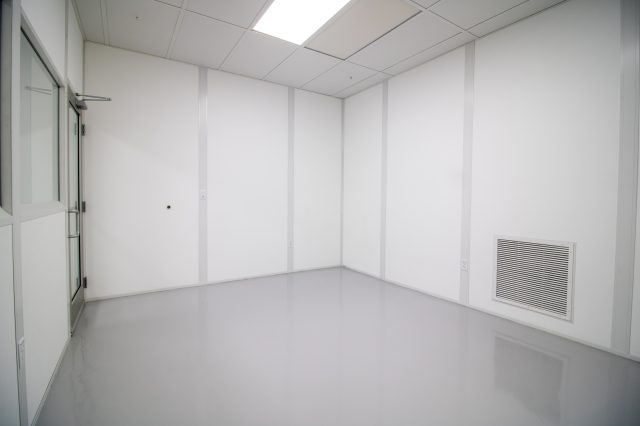
One component for a cleanroom is its HVAC (Heating, Ventilation, and Air Conditioning) system. The HVAC system controls airflow, temperature, and humidity, ensuring that the cleanroom environment remains stable and free from contaminants. Air filtration is also essential in maintaining a cleanroom’s classification level.
Ensure that your cleanroom’s HVAC and filtration system meets your industry’s requirements. Regular maintenance of filters and ventilation systems is also essential to maintain the cleanroom’s integrity.
Maintaining cleanliness in a cleanroom involves more than just the room itself—it also requires stringent protocols for personnel, equipment, and material handling.
By implementing the right protocols, you can maintain your cleanroom’s integrity and ensure that your products remain free from contamination.

Cleanrooms can be energy-intensive due to the constant need for temperature and humidity control, as well as the high-performance air filtration systems. When selecting a cleanroom, consider energy-efficient solutions that can reduce operational costs while maintaining compliance with industry standards.
Finally, selecting the right cleanroom manufacturer or supplier is crucial for ensuring that your cleanroom meets all regulatory and operational requirements. Look for a supplier with experience in your industry and a track record of successful installations.

Choosing the right cleanroom for your industry requires a comprehensive understanding of your operational needs, regulatory requirements, and the technical specifications of cleanroom systems. By carefully evaluating the cleanroom classification, layout, materials, HVAC systems, and carefully following the steps mentioned above, you can ensure that your cleanroom will maintain the desired level of cleanliness and compliance.
Take the time to consult with cleanroom experts and suppliers who can guide you through the selection process and help you build a cleanroom that meets the highest industry standards. Contact Modulus Cleanroom and we’ll be glad to assist you.