

Cleanroom construction is evolving quickly, and 2025 is already shaping up to be a pivotal year. As industries push the limits of technology, they need cleanroom environments that can keep pace. Speed, precision, and adaptability have become essential. Whether a company is scaling up a pilot facility or launching a full production floor, cleanroom construction now requires a smarter, more responsive approach.
Design trends are shifting toward systems that do more than meet today’s standards; they’re built to grow, adapt, and integrate with the tools of tomorrow. At Modulus Cleanrooms, we see this shift as an opportunity to help clients create spaces that support innovation from day one.
Today’s cleanroom projects are moving on tighter timelines than ever. Manufacturers, researchers, and developers can’t afford long construction delays, especially when market windows are short or when facilities need to pivot quickly. That’s where modular construction is stepping in as a game-changer.
Instead of waiting months for traditional builds, modular cleanrooms offer faster deployment without sacrificing performance. Prefabricated components arrive ready to assemble and fit together cleanly, reducing on-site disruption and accelerating schedules. For companies racing to get products to market, that saved time can make all the difference.
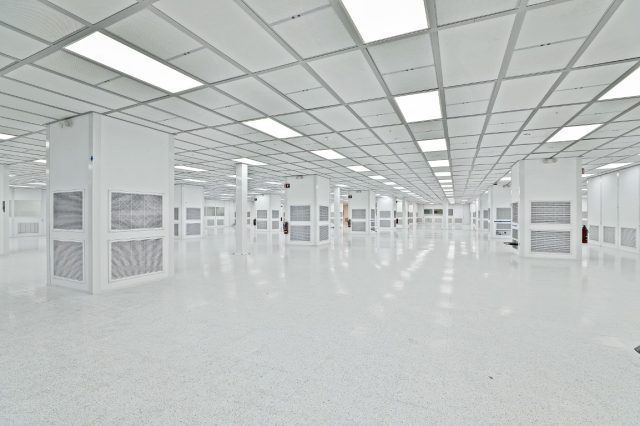
Flexibility is just as important as speed. Modular cleanrooms can be scaled up or reconfigured as operations evolve. This makes them especially useful in environments where teams are developing prototypes, expanding product lines, or accommodating new equipment. With the ability to adapt layouts or upgrade classifications without starting from scratch, these builds offer a more strategic path forward.
Sustainability isn’t just a bonus anymore; it’s a central part of how facilities are being designed. Cleanroom construction is starting to reflect broader environmental goals across industries, with clients looking for ways to reduce energy use, minimize waste, and select materials with lower environmental impact.
Energy-efficient HVAC systems are leading the way here. Since HVAC accounts for a major portion of cleanroom energy use, optimizing airflow, insulation, and temperature controls is a top priority. Smart controls and demand-based operation systems can dial in just the right level of performance, improving both efficiency and consistency.
Low-emission building materials are also becoming more common, helping projects meet internal ESG goals while improving indoor air quality. Construction methods that reduce waste or support material reuse are gaining traction, too. As regulations evolve and pressure mounts to operate more responsibly, cleanrooms designed with sustainability in mind are becoming the new standard.
One of the most exciting shifts in cleanroom construction is the move toward modular manufacturing. Instead of building everything from the ground up on-site, more companies are turning to off-site fabrication. Components are built in controlled environments, then delivered ready to install.

This approach brings several benefits. First, it improves build quality, since components are produced under consistent factory conditions. Second, it speeds up the overall construction process. And third, it reduces disruption at the installation site, which is especially important when the cleanroom is being added to an existing facility or a space with limited access.
Self-supporting systems are also on the rise. These units don’t rely on structural support from the building itself, which makes them ideal for leased spaces or unconventional layouts. If a company needs to relocate, expand, or reconfigure, these cleanrooms can move with them. This kind of flexibility supports dynamic growth strategies without locking teams into a single setup.
Cleanrooms have always been about controlling contamination, but the tools to manage that control are getting more advanced. Builders are paying closer attention to the details that make a difference in how air flows through the room to how different zones interact.
Zoning strategies are becoming more precise, with better planning around pressure differentials, directional flow, and contamination paths. This helps reduce cross-contamination in multi-use environments, which is especially important in settings where different processes may share space.
Improved airflow control is another standout area. Systems are now designed to maintain consistent conditions while using energy more efficiently. HEPA and ULPA filtration is still essential, but how air is introduced, circulated, and exhausted is being optimized to reduce recirculation and improve coverage. By integrating these strategies into the construction process, teams are creating spaces that don’t just meet ISO standards, they’re built to exceed them.
Digital technology is changing how cleanrooms operate, and construction is keeping pace by building in those capabilities from the beginning. IoT sensors, cloud-based dashboards, and connected monitoring systems are helping teams keep their facilities running smoothly with less guesswork.

One of the biggest trends here is predictive maintenance. Instead of waiting for something to go wrong, cleanroom systems can now flag when a filter needs replacing, when airflow starts to dip, or when temperature trends signal a need for recalibration. These insights come from real-time monitoring and data analytics, giving operators the tools to act before issues interrupt production.
Cleanroom builders are designing spaces that support this tech from day one. From cable routing to sensor placement, infrastructure is being optimized to make smart systems easier to implement. For companies working in advanced manufacturing or precision testing, this built-in intelligence helps protect uptime and product integrity.
Not every company needs a large-scale cleanroom facility, but that doesn’t mean they’re left out. There’s growing demand for accessible, cost-effective cleanroom solutions that still meet strict performance requirements. This is especially true for smaller R&D labs or mid-sized biotech firms that are focused on developing new technologies without the resources of a full production plant.
Hybrid cleanroom models are helping to bridge that gap. These spaces combine elements of traditional construction with modular components, offering a practical solution that fits within existing facilities while still meeting cleanliness standards. They’re easier to tailor to specific use cases, making cleanroom access more achievable for a broader range of innovators.

Builders are also exploring ways to simplify cleanroom upkeep and expand usability, from simplified layouts to integrated storage and utilities. The goal is to create spaces that support high performance without overcomplicating operations.
Cleanroom construction is entering a new phase, one that’s faster, smarter, and more responsive to how today’s industries work. Modular builds are cutting down timelines and unlocking flexibility. Sustainability is becoming a driving factor in both design and materials. And with innovations in contamination control, digital monitoring, and hybrid models, cleanrooms are being built to perform better than ever.
At Modulus Cleanrooms, we’re proud to lead the way in this evolution. Our modular systems are engineered for speed, precision, and adaptability, making it easier for clients to keep pace with changing requirements and competitive markets. Whether you’re scaling up, starting fresh, or refining what’s already in place, we’re here to help build the future of cleanroom construction, one innovative project at a time.