

Cleanrooms play a big role in industries where even the smallest particles can affect outcomes. Whether you’re working in biotech, semiconductors, or research and development, keeping your cleanroom in top shape is essential.
Cleanrooms are designed to control contamination, maintain air quality, and support precise operations. But to keep everything running smoothly and stay aligned with ISO standards, it’s important to pay attention to how your cleanroom is performing over time.
At Modulus Cleanrooms, we understand how important it is to maintain a cleanroom that supports both your processes and your people. If you think something might be off, it could be a sign that service or repairs are needed.
If your cleanroom isn’t functioning at peak performance, it could be putting your operations, products, and compliance at risk. Let’s take a look at five signs to watch for.
Airflow is one of the most important elements of a cleanroom. HEPA and ULPA filters help capture unwanted particles, while proper airflow keeps everything moving in the right direction. Cleanrooms also rely on pressure differences between spaces to keep contaminants out.
When filters start to clog or airflow becomes unbalanced, you might notice things like unusual noises from vents, uneven air movement, or readings that don’t match your baseline numbers. These are early indicators that something may need attention.

If the airflow or pressure is off, it can affect your cleanroom’s classification and the quality of your work. It’s important to have systems inspected and filters checked to make sure everything continues to support a controlled environment.
Over time, surfaces inside a cleanroom can wear down. Wall panels, flooring, and ceiling tiles are all designed to resist particle build-up, but they aren’t immune to long-term use. Cracks, bubbles, or peeling edges can all create places where particles gather.
Even small areas of damage can affect how clean your space stays. For example, cracked vinyl floors or lifting seams can become areas where debris collects, making cleaning less effective.
While it might seem like a cosmetic issue at first, these signs often indicate the need for repair.
Keeping materials in good shape supports your contamination control efforts and helps maintain your ISO classification. If you’re starting to notice wear in high-traffic areas or corners, it may be a good time for an inspection.
Cleanrooms rely on more than just clean surfaces. HVAC systems, lighting, temperature controls, and monitoring tools all work together to maintain your environment. When one of these systems isn’t performing as expected, it can create ripple effects throughout the space.
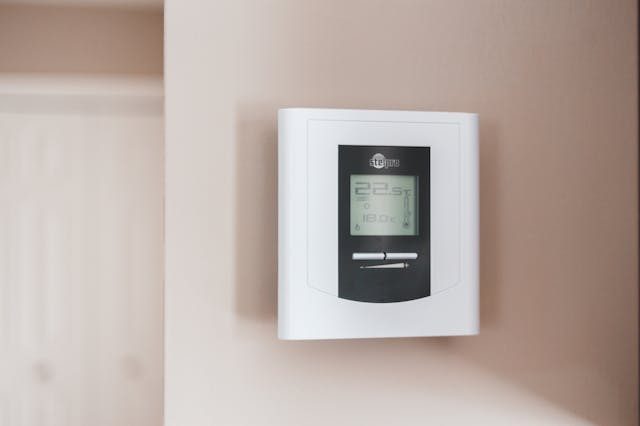
You might notice signs like inconsistent temperature or humidity levels, flickering lights, or alerts from your control systems. These could point to deeper issues with the equipment that supports your cleanroom. It’s helpful to address small signs early. Regular upkeep can help prevent interruptions in your process and keep your team focused on their work.
Staying aligned with ISO standards means maintaining strict control over particles, airflow, and cleanliness. If you’re starting to see results that don’t quite match what’s expected during testing or validation, it could be time for a closer look.
Issues like particle count spikes, equipment that needs calibration, or missing documentation can all affect your compliance status. These things might not seem urgent at first, but over time, they can impact production quality and customer trust. Working with experienced professionals like the team at Modulus Cleanrooms can help ensure that everything meets the correct standards.
If you’re seeing more contamination events or batches not passing quality checks, your cleanroom may need attention. This could be linked to airlocks that aren’t sealing properly, gowning areas that aren’t functioning as intended, or simply surfaces that need deeper cleaning or repair.

It’s not always easy to pinpoint the source right away. But when contamination becomes more frequent, it’s a good idea to schedule a full evaluation. Catching these issues early can help protect your process and limit waste.
A cleanroom that performs well helps protect your work, keeps operations running smoothly, and supports ongoing compliance. If you’ve started noticing airflow issues, surface wear, system inconsistencies, trouble staying within ISO standards, or a rise in contamination events, it may be a good time to schedule a service or repair.
Paying attention to these early signs can make a big difference in preventing interruptions and maintaining confidence in your facility’s performance. At Modulus Cleanrooms, we’re here to support you with expert service, responsive communication, and solutions that fit your space.
Whether you’re looking for a quick inspection or a more in-depth evaluation, our team is ready to help you keep your cleanroom operating at its best. Reach out to Modulus Cleanrooms to book a consultation or learn more about how we can support your cleanroom’s long-term success.