

In cleanroom environments, zoning isn’t just a design preference; it’s a foundational element for maintaining contamination control. By creating clearly defined zones within a cleanroom, facilities can achieve better control over airborne particulates, improve personnel and material workflows, and support compliance with ISO standards.
No matter what industry you are working in, cleanroom zoning helps align your environment with your process, making it easier to meet regulatory expectations while also improving operational efficiency.
At Modulus Cleanrooms, we see zoning as a central part of cleanroom performance. When done right, it helps your team focus on what they do best, without disruption or unexpected contamination risks.
Cleanroom zoning refers to the intentional segmentation of space within a controlled environment based on cleanliness classifications, activities performed, and sensitivity of processes. These zones are designed to help prevent contamination by restricting particle flow, guiding personnel movement, and separating cleanroom functions that carry different risk levels.
Each zone is engineered with distinct airflow controls, pressure gradients, and access protocols to keep critical operations protected. For example, a research team developing a diagnostic tool may have one zone for material prep, another for assembly, and a third for packaging, each with its own cleanliness classification and environmental controls.
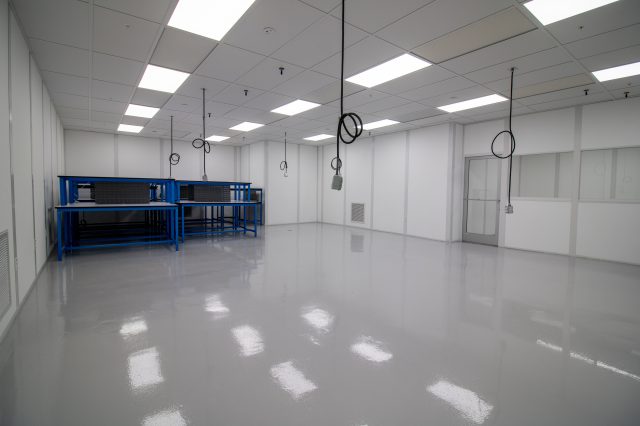
Early planning is key. Designing these zones from the beginning of a cleanroom project allows for smarter HVAC layouts, logical personnel and material flows, and more reliable long-term performance. Trying to retrofit zoning into an existing space is much harder than designing it in from the start.
Cleanroom zoning typically follows process flow, with each area serving a specific function. One of the most important zones is the main production area, which is where critical operations take place. This space is often maintained at a higher cleanliness level than surrounding zones and is supported by precise airflow systems to limit contamination.
Material entry and preparation zones allow for incoming materials to be unpacked, wiped down, and staged before entering production areas. These zones help reduce bioburden and particulate transfer, particularly when components are sourced from uncontrolled environments.
Personnel gowning and changing areas serve as transitional spaces where workers follow stepwise procedures to don appropriate garments. These zones play a major role in preventing particles from entering clean areas, especially in facilities where people move frequently between rooms.
Finally, final packaging or inspection zones support product completion and quality control. These areas often require close coordination with clean logistics and may serve as transitional spaces to less controlled areas such as shipping or storage. Each zone supports the overall flow of operations and helps reduce the risk of contamination between process stages.
Effective zoning requires a clear understanding of workflows and contamination risks. One of the most important decisions is how to manage product flow versus personnel flow. In many cleanroom environments, materials and people move in separate directions or use separate pathways to limit cross-contamination.

Pressure differentials between zones are also essential. By maintaining positive pressure in cleaner zones, air flows outward into less critical spaces, helping to keep contaminants out. Air change rates, or how frequently the air is filtered and replaced, vary based on the cleanliness requirements of each zone.
Other factors include surface finishes and cleanroom furniture. Non-shedding, smooth surfaces that are easy to wipe down help maintain clean conditions. Equipment separation is another useful strategy.
Placing machinery that generates heat, vibration, or particles in lower-classified zones helps protect the more sensitive areas. Proper zoning can also reduce the frequency and intensity of cleaning, since higher-risk activities are isolated and easier to manage.
The physical layout of a cleanroom plays a major role in how well zoning works. Room placement, wall configurations, and door locations should reflect how materials and people move throughout the space. Logical, stepwise transitions between zones make it easier for personnel to follow procedures without disrupting process control.
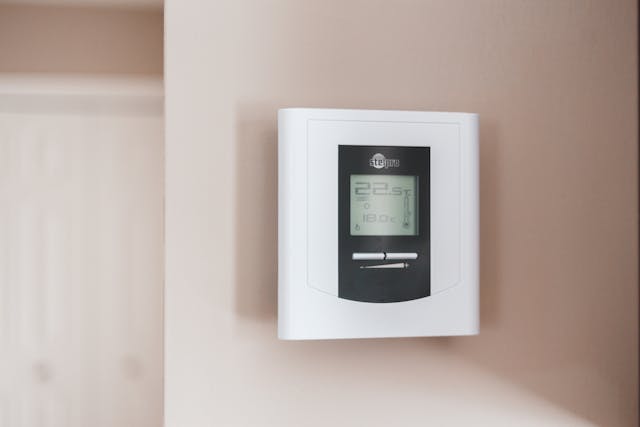
Segregated HVAC systems are often used to serve zones independently. This helps maintain pressure cascades and ensures each zone meets its airflow and temperature targets without relying on a shared system that might struggle to adapt.
Airlocks and pass-throughs are another important feature. These small transitional rooms act as buffers between zones, limiting airborne particle migration when doors open and close. Dedicated entry and exit points allow for clear control over personnel movement. This supports gowning protocols and minimizes traffic through sensitive areas. Each design decision contributes to long-term performance and simplifies ongoing maintenance and validation.
Design alone won’t ensure cleanroom zoning is effective. Operational discipline is just as important. Personnel must be trained to follow standard operating procedures, use proper gowning techniques, and respect restricted areas. Even the most advanced zoning strategy will fall short if behaviors inside the cleanroom don’t support it.
Behavioral controls such as color-coded zones, signage, and access control systems help guide staff and limit unnecessary movement between rooms. For example, a team member working in a preparation zone shouldn’t have unrestricted access to an inspection room unless that movement is part of a defined workflow.
Routine training and SOP updates help reinforce proper habits. Everyone working in the cleanroom, from maintenance staff to quality control, should understand the purpose of each zone and how their role contributes to maintaining it. When the entire team buys into the system, zoning works as intended and becomes a natural part of day-to-day operations.
Zoning helps ensure product quality by protecting critical operations from contaminants and reducing variability in environmental conditions. Auditors and regulatory bodies often evaluate how cleanroom zones are defined and maintained.
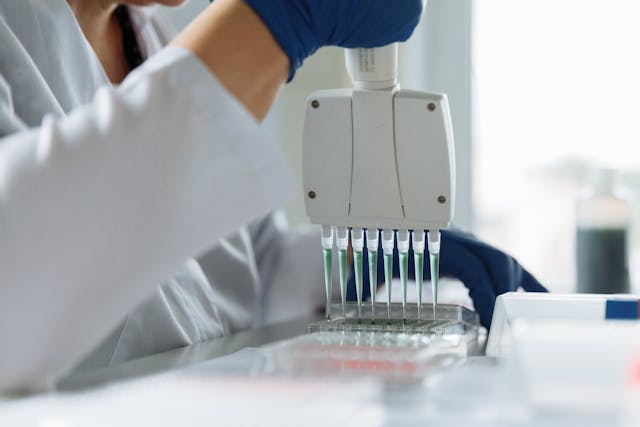
They may look for pressure logs, cleanliness classifications, and clear separation between high-risk and lower-risk activities. If zones are not properly controlled, it can raise questions about process consistency and contamination risk.
By maintaining cleanroom zones in line with industry standards and process needs, facilities show that they take quality seriously. Zoning becomes part of a larger system of compliance, documentation, and continuous improvement.
Cleanroom zoning plays a key role in managing contamination, supporting smooth operations, and meeting regulatory expectations. By clearly separating spaces based on risk, cleanliness, and function, cleanrooms become easier to operate and more reliable over time.
At Modulus Cleanrooms, we work closely with clients to design and build zoning strategies that align with their specific processes and goals. Our focus means every cleanroom we deliver is built with purpose, performance, and future-proof flexibility in mind.