

When you’re designing a cleanroom, layout isn’t just a matter of convenience; it plays a major role in how well your space performs. A thoughtful layout supports compliance, minimizes contamination risk, and helps your team work more efficiently every day. Whether you’re building a new space or expanding an existing one, cleanroom layout planning is one of the most important steps in the process.
At Modulus Cleanrooms, we specialize in modular cleanroom solutions. Our team is here to help you create a layout that supports performance, growth, and long-term success. Here’s what you need to know before you get started.
Every cleanroom is designed to serve a specific function, and that purpose shapes the layout. Are you working in biotech, running sensitive experiments in an R&D setting, or developing precision components for a medical device? The intended use of your space will help determine how it should be structured, what equipment it needs, and how contamination control measures are applied.
You’ll also want to consider any regulatory or classification requirements. ISO classifications are often the most relevant, guiding acceptable particle counts for each area. Some environments may also need to meet GMP or FDA standards, depending on what is being developed.

Environmental factors like temperature, humidity, and airflow patterns should be planned into the layout from the start. A cleanroom built for sensitive material handling will need tighter controls than a space designed for basic component assembly. Knowing your performance requirements early helps ensure that every square foot of the space is working toward the same goals.
Once you understand the cleanroom’s purpose, the next step is to break the space down into clearly defined zones. Each zone should align with a different cleanliness level and serve a unique function. Most cleanrooms start with a gowning area, which acts as a controlled buffer between the unclassified space and the main cleanroom. From there, you may have one or more anterooms, followed by the cleanroom itself.
Keeping these zones separate helps control the flow of contaminants and allows personnel and materials to enter in a controlled way. It’s also helpful to design unidirectional flow patterns that guide people and materials through the space in a logical progression, for example, entering from a clean area and exiting through a different point to avoid retracing steps.
Integrating features like airlocks and pass-through cabinets can also enhance the layout. These tools make it easier to move supplies or samples into and out of the space without breaking containment, which is especially useful in environments where precision and cleanliness are non-negotiable.
Even in a highly controlled environment, people still need to move around. Cleanroom layout should support efficient, contamination-conscious movement for both staff and equipment. The fewer unnecessary steps or touchpoints, the lower the risk of particle introduction or cross-contamination.
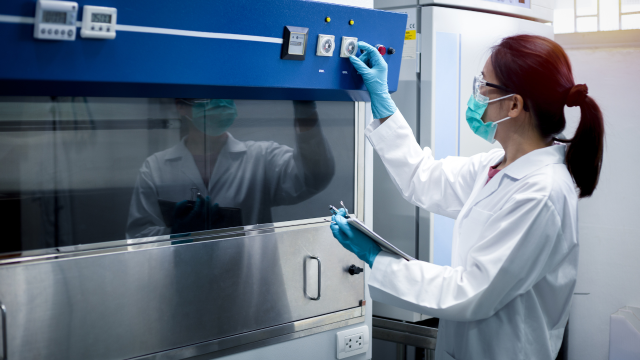
Mapping out how personnel will enter, gown, work, and exit helps guide your space planning. Consider separating tasks that generate more particles from areas that require higher levels of cleanliness. For example, material prep and packaging might happen in a different zone than assembly or testing.
Workflow design should also support ergonomics. Well-placed workstations, easy-to-reach equipment, and clear walking paths reduce strain and increase productivity. These factors don’t just improve employee comfort; they also help maintain a consistent process flow that supports compliance and overall performance.
A cleanroom’s HVAC system plays a central role in maintaining temperature, humidity, and most importantly, air cleanliness. Your layout should work with the HVAC system, not against it. That means planning where your HEPA or ULPA filters will be installed, how air will flow through the room, and where air will be returned or exhausted.
Ceiling plenums are often used to distribute clean air evenly, while low-wall or floor-mounted returns help remove air efficiently. Placement of vents and filters should align with your cleanroom class, ensuring that airflow supports contamination control across every zone.
Pressure differentials are also an important part of the design. Higher pressure in cleaner areas helps prevent particles from moving in the wrong direction. Your layout should support this airflow strategy by keeping pressure cascades intact from clean to less-clean spaces.
The physical layout of your equipment can make or break a cleanroom’s effectiveness. Each machine or tool should be placed in a way that supports process flow, minimizes disruptions, and avoids blocking airflow. It’s also helpful to keep equipment spaced appropriately to make cleaning and maintenance easier.

Utility access is another key factor. Think about where you’ll need power, water, gas, or data lines and how those connections will be delivered. Integrating these needs during the design phase helps avoid retrofitting later, which can lead to downtime or added costs.
Storage areas should also be planned with care. Avoid clutter by creating dedicated storage zones outside the main work area. Well-organized shelving, carts, and sealed containers help keep materials clean and accessible without interfering with airflow or movement.
In fast-moving industries, needs can shift quickly. That’s why it’s smart to design your cleanroom layout with adaptability in mind. Modular walls and components make it easy to reconfigure the space, add new zones, or upgrade existing systems without starting from scratch.
At Modulus Cleanrooms, our modular cleanroom systems are built for change. Whether you’re scaling up production, switching workflows, or adapting to new compliance standards, we can help you stay ahead of the curve with layouts that grow with your team.
Designing with flexibility in mind isn’t just about long-term growth; it also allows your cleanroom to evolve in response to new tools, equipment, or materials that might enter the process over time.
No cleanroom layout is complete without planning for compliance. Your layout should support cleanroom validation, which includes airflow testing, particle counts, surface cleanliness, and system functionality. The easier it is to access testing points and document your controls, the smoother your audits and inspections will go.
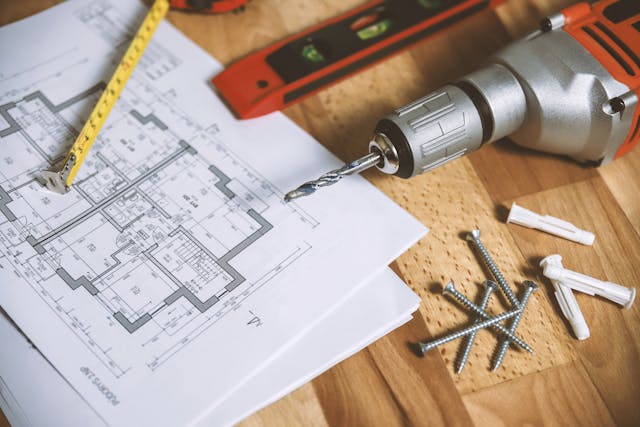
Designing for compliance also means using materials and finishes that meet cleanroom standards. Surfaces should be easy to clean, non-shedding, and resistant to the cleaning agents used in your process. Rounded corners, sealed joints, and minimized ledges all help reduce particle buildup.
The layout of your cleanroom shapes everything from compliance to productivity. With the right design, you can create a space that supports efficiency, protects sensitive processes, and sets your team up for success.
If you’re planning a new build or looking to upgrade an existing layout, Modulus Cleanrooms is here to help. Reach out today to book a consultation or learn more about our custom modular cleanroom solutions.