

When it comes to lab safety, few tools are as essential as the fume hood. In cleanrooms and controlled environments, it’s important to limit exposure to airborne hazards without disrupting workflow. That’s where the fume hood comes in.
A ventilated enclosure called a fume hood is made to keep lab workers safe from breathing in dangerous dust, vapors, or fumes. It works by drawing air away from the work area and safely filtering or removing contaminated air before it can affect staff or sensitive equipment.
At Modulus Cleanrooms, we design and build cleanroom environments with modern fume hood systems that support both safety and performance. Whether you’re upgrading your existing setup or planning a new space, having the right containment tools in place makes a meaningful difference in contamination control and daily operation.
Fume hoods operate by creating directional airflow that draws hazardous vapors, dust, or gases away from the user and out of the lab environment. This helps keep air quality under control and provides a layer of protection for both personnel and sensitive experiments or equipment.
Each fume hood includes a few key components. The sash, which is a sliding or vertical window, serves as a protective barrier while also controlling airflow into the hood. Most users are trained to keep the sash at the recommended height to maintain proper containment.

Behind the sash is the exhaust system. This system pulls contaminated air into the hood and either filters it or removes it completely from the lab through ductwork. Depending on the type of fume hood, this air may pass through filters like HEPA or activated carbon before being recirculated or vented outdoors.
Spill containment features are also built into the base of most hoods. These help trap any liquids or materials that might be dropped during handling, keeping the rest of the workspace protected and easier to clean. When used correctly, a fume hood helps create a much safer work environment and supports regulatory compliance in cleanroom operations.
Not all fume hoods are built the same, and selecting the right one depends on your workspace needs and the type of materials you work with. Ductless fume hoods are often used in labs that don’t have dedicated ductwork in place. These hoods use internal filters to clean the air before sending it back into the room. They’re especially useful in mobile labs or smaller setups where installation flexibility matters.
Ducted or chemical fume hoods are more common in spaces that handle volatile chemicals or fumes that shouldn’t be recirculated. These systems vent air directly outside the building, which helps reduce exposure risks and keeps indoor air cleaner. They’re a solid choice for labs with ongoing chemical work.
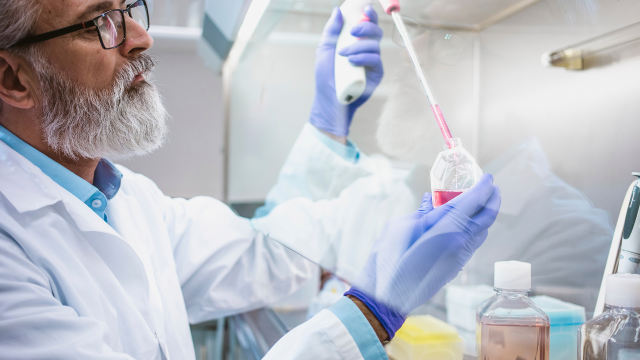
Perchloric acid hoods are a specialized option made for labs that use perchloric acid. This type of acid can produce salts that are reactive and potentially unsafe if not handled correctly. These hoods often include wash-down systems to help keep everything clear and prevent buildup.
Canopy hoods are typically found in environments where heat or steam needs to be removed from a work area. They are open-faced and mounted above hot plates, ovens, or other equipment. While not used for chemical containment, they are great at controlling temperature and humidity.
ADA-compliant hoods are designed with accessibility in mind. These hoods are built to accommodate lab staff who use mobility devices, making sure that all team members have equal access to safe working conditions.
Variable air volume (VAV) hoods control airflow by responding to the position of the sash, increasing or decreasing it as needed. When the sash is open, the airflow increases. When it’s closed or lowered, the airflow decreases to conserve energy. This smart feature helps save energy while still keeping safety a priority.
Walk-in fume hoods are designed for large experiments or equipment setups that can’t fit into a standard hood. They allow users to partially enter the hood while staying protected. These are helpful in R&D and medical device settings where setups may be more complex or bulky.
Knowing how to use a fume hood properly can help improve safety and maintain the performance of your cleanroom. Before you begin working, check that the airflow monitor is active and showing normal readings. The monitor helps confirm that the hood is pulling air correctly. Place all materials at least six inches inside the hood so airflow can wrap around them evenly.
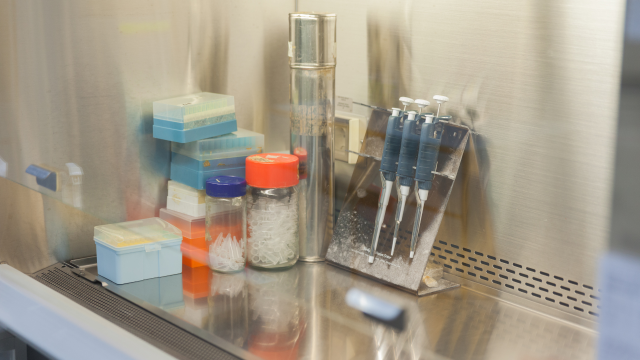
While working, try to keep the sash as low as possible. This not only protects the user but also improves containment. Avoid placing large equipment directly in front of the airflow or packing too many items inside, as this can interrupt the way air moves through the space.
Personal protective equipment, such as gloves, safety goggles, and lab coats, should always be worn. Even though the fume hood offers a layer of protection, it’s important to keep yourself covered in case of splashes or spills. Never leave containers open, and make sure chemicals are stored correctly when not in use.
After your work is finished, lower the sash and wipe down the interior surfaces. This prevents residue from building up over time and ensures the space is clean for the next user. If anything doesn’t seem to be working as expected, let your facility manager or cleanroom provider know right away.
Routine testing is key to making sure your fume hood performs the way it should. Testing not only helps protect lab personnel but also supports ongoing compliance with safety and air quality regulations.
ASHRAE-110 is one of the most commonly followed testing standards for fume hoods. This protocol includes several evaluations. The inflow velocity test measures how fast air is being drawn into the hood. If the velocity is too low, the hood may not contain fumes effectively.
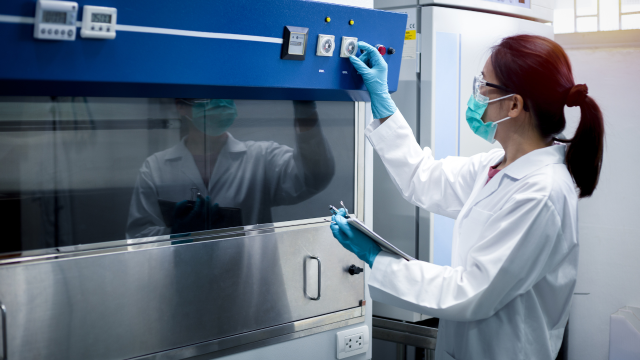
The smoke pattern test uses visible smoke to help visualize airflow across the face of the hood. It’s a great way to spot turbulence, backflow, or areas where air might not be moving evenly.
The tracer gas test is used to simulate hazardous vapor containment. A harmless gas is released in the hood, and sensors check how well it stays inside the enclosure. This test is especially useful for high-precision work environments.
Even the best-built fume hoods have a lifespan. When airflow becomes inconsistent or structural wear begins to show, it may be time to retire and replace the unit. The decommissioning process should always begin with a full chemical decontamination. Every surface, corner, and vent should be cleaned thoroughly to remove any remaining residue or vapor build-up.
After cleaning, the fume hood can be safely disassembled. This process should follow the original manufacturer’s instructions to make sure all parts are handled with care. Any ductwork connected to the hood will also need to be removed and sealed off if no replacement is going in.
Some components, such as stainless steel panels or fan units, may be recyclable. Other parts, especially those exposed to hazardous chemicals, should be disposed of following local and environmental regulations to ensure safe handling.
Fume hoods are a key part of lab safety, helping maintain clean air and protect lab teams from exposure. Knowing the different types of hoods, using them correctly, staying on top of testing, and understanding when it’s time to decommission an older unit are all important parts of keeping a lab running well.
Modulus Cleanrooms is committed to providing cleanroom solutions that support safe and efficient operations. Whether you need help with design, integration, or testing support, we’re here to help your cleanroom stay compliant and ready for the work ahead.