

General Cleanroom Knowledge

General Cleanroom Knowledge

Key Takeaways

  • Cleanrooms keep sensitive industries—like biotech and electronics—free from contaminants with strict environmental controls.
  • Modular cleanrooms offer flexibility, efficiency, and cost savings over traditional builds.
  • Compliance with standards like FED STD 209E and ISO 14644 ensures cleanroom reliability and performance.
  • Regular maintenance and certifications are key to keeping cleanrooms at peak efficiency.

Cleanrooms are essential for industries that require strict control over environmental factors like airborne particles, temperature, and humidity. At Modulus Cleanrooms, we specialize in designing and delivering modular cleanroom solutions that prioritize flexibility, efficiency, and compliance with regulatory standards. 


Our modular systems are tailored to the unique needs of industries such as biotechnology, electronics, and robotics, ensuring contamination-free environments critical for their operations.

What is a Cleanroom?

A cleanroom is a controlled environment designed to minimize the presence of airborne particles and other contaminants. By maintaining specific levels of air cleanliness, cleanrooms ensure the integrity of sensitive processes and products. Key features include:


  • Air Filtration: Using HEPA (High-Efficiency Particulate Air) and ULPA (Ultra-Low Penetration Air) filters to remove microscopic particles.
  • Laminar Airflow: Maintaining uniform airflow to reduce turbulence and prevent contamination.
  • Temperature and Humidity Control: Ensuring optimal conditions for specific processes.


Modulus Cleanrooms designs modular cleanrooms that offer all these features while providing unmatched flexibility. Our systems allow for scalability and reconfiguration, making them ideal for evolving industry requirements.

Key Terminology in Cleanroom Management

Understanding cleanroom terminology is crucial for effective design and maintenance. Here are some foundational terms:
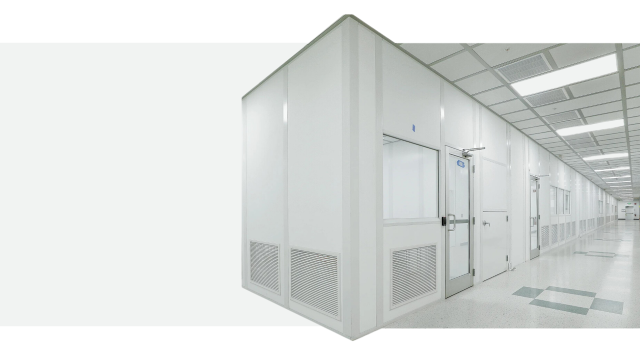
  1. Airborne Particulate Cleanliness Classes: These classes specify allowable particle counts per cubic foot of air. 
  2. HEPA and ULPA Filters: These filters are integral to maintaining air quality by trapping particles as small as 0.12 microns. 
  3. Laminar Flow and Particle Control: Uniform airflow ensures that particles are swept away from critical areas, reducing the risk of contamination. 
Untitled design (13)

Overview of Cleanroom Standards

Compliance with cleanroom standards is essential for operational efficiency and regulatory approval. Modulus Cleanrooms ensures that all our modular systems align with key standards:

  • FED STD 209E: This U.S. Federal Standard specifies airborne particulate cleanliness levels, defining classes from 1 to 100,000 based on particle counts. While it has been replaced by ISO standards, it remains a reference for many industries. 
  • ISO 14644-2: This international standard focuses on cleanroom compliance, including monitoring and testing protocols.

Differences Between FED STD 209E and ISO Standards

Both FED STD 209E and ISO standards are pivotal in cleanroom management but have distinct approaches:

  • Classification: FED STD 209E focuses on U.S.-specific particle count metrics, while ISO 14644 adopts a broader, internationally recognized classification system.
  • Testing: ISO standards emphasize continuous monitoring and testing, aligning with the global push for stringent quality control.

Maintenance and Certification

Regular maintenance and certification are critical for sustaining cleanroom performance. Modulus Cleanrooms and it’s partnerships provide comprehensive support services, including:


  • Particle Count Surveys: Verifying that air cleanliness levels meet required standards.
  • Airflow Balancing: Ensuring uniform distribution of air to maintain laminar flow.
  • Filter Certifications: Testing and certifying the performance of HEPA and ULPA filters.


Preventive maintenance schedules are vital for ensuring compliance and minimizing operational disruptions. Our modular cleanroom designs simplify maintenance, with components that are easy to access, replace, and upgrade. This reduces downtime and ensures long-term operational efficiency.

person-holding-a-filter-in-their-hands

Practical Applications of Modular Cleanroom Standards

Industries across the spectrum rely on cleanrooms for their critical operations. Some examples include:


  1. Biotechnology: From gene therapy to vaccine production, cleanrooms provide the controlled environments necessary for groundbreaking innovations. 
  2. Medical Devices: Cleanrooms ensure precision and sterility in the manufacturing of devices like surgical tools and diagnostic equipment
  3. Electronics: Semiconductor fabrication and microelectronics manufacturing require ultra-clean environments to avoid defects. 
  4. Aerospace: Satellite and spacecraft assembly demand strict contamination control. 
  5. Research and Development: Cleanrooms provide controlled environments for testing and development in cutting-edge fields such as nanotechnology and material science, where contamination can affect results.

Why Choose Modular Cleanrooms?

Modular cleanrooms offer several advantages over traditional designs:


  • Flexibility: Easily scalable and reconfigurable to adapt to changing needs.
  • Cost-Effective: Reduced construction time and lower initial costs.
  • Efficient Installation: Prefabricated components streamline the setup process.
  • Environmental Sustainability: Modular systems reduce material waste and are often more energy-efficient.


Custom modular designs also allow for the integration of advanced technologies, such as automated monitoring systems and energy-efficient HVAC solutions, which enhance performance while reducing operational costs. At Modulus Cleanrooms, we combine these benefits with our expertise to deliver solutions that meet the highest cleanliness and regulatory standards.

Innovation in Modular Cleanrooms

Modulus Cleanrooms continually invests in research and innovation to stay ahead of industry trends. Recent advancements include:
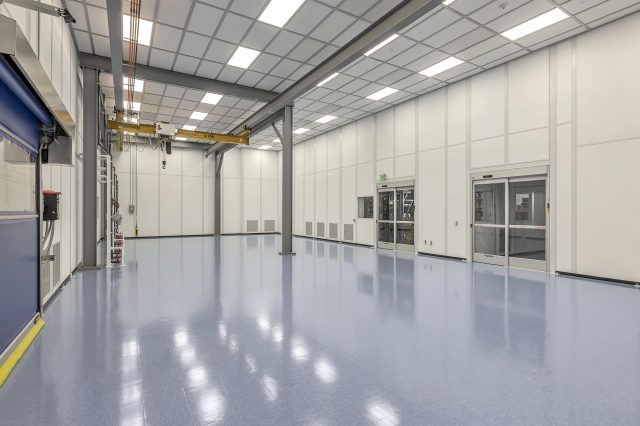
Certification in ISO 7 Cleanroom with Power Sliding and Speed doors
  • Smart Cleanroom Systems: Integration of IoT-enabled devices for real-time monitoring and data analytics, ensuring optimal performance.
  • Energy Efficiency Upgrades: Use of advanced materials and systems to reduce energy consumption and operational costs.
  • Sustainable Practices: Development of modular designs that minimize environmental impact through reduced waste and improved resource efficiency.

These innovations position us as a leader in the cleanroom industry, providing clients with state-of-the-art solutions tailored to their unique needs.

Conclusion

Cleanrooms play a vital role in ensuring the success of processes and products across industries. By adhering to stringent standards like FED STD 209E and ISO 14644-2, Modulus Cleanrooms provides modular solutions that prioritize compliance, efficiency, and flexibility. Our commitment to innovation and quality ensures that your cleanroom needs are met with precision and reliability.


Choose Modulus Cleanrooms for your cleanroom projects and experience the difference that modular solutions can make in maintaining the highest standards of cleanliness and performance. Contact us today to learn more about our tailored offerings and how we can support your industry’s unique requirements.