
In the world of biotechnology, consistency and sterility are paramount. Among the many components that make cleanrooms effective. In this blog, we will delve into the critical role of HEPA filters in biotech cleanrooms, using a complex ISO 5 cleanroom case study from Fremont, California, to illustrate their importance.
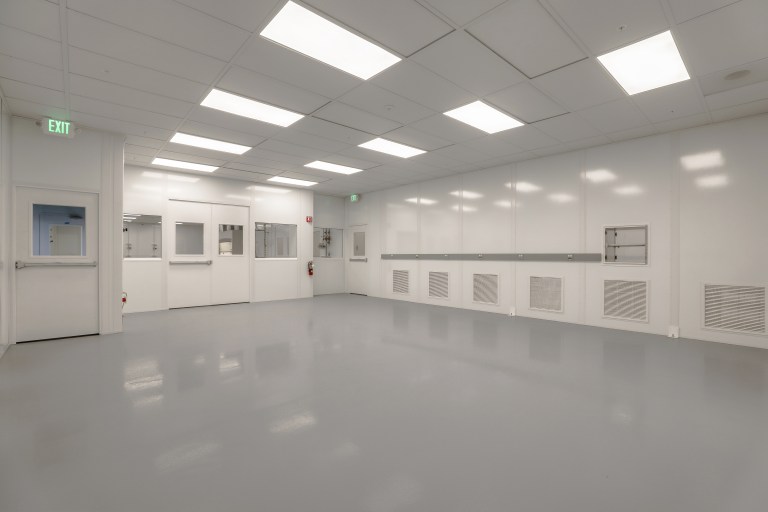
HEPA Filters Defined: HEPA filters are mechanical air filters capable of trapping extremely small particles, including dust, microbes, and airborne contaminants. They are an integral part of the cleanroom system, ensuring that the air entering the cleanroom is of the highest possible quality.
Sterility and Product Integrity: Biotech cleanrooms are where the magic of drug development, genetic research, and other critical biotechnological processes takes place. Any contamination, even on a microscopic level, can compromise the integrity of experiments, research, or pharmaceutical production. HEPA filters serve as the first line of defense against such contaminants by effectively trapping particles as small as 0.3 microns.
In a recent project undertaken by Modulus Cleanrooms in Fremont, California, the significance of HEPA filters in biotech cleanrooms became abundantly clear. The project involved the development of five modular cleanrooms, with a total of 114 HEPA filters. The sheer number of filters highlights their crucial role in maintaining the air quality.
Fremont’s biotech companies faced unique challenges due to the local environment and the sensitive nature of their work. Controlling airborne pollutants, pollen, and other contaminants was essential to the cleanrooms. Additionally, the need for efficiencies in biotech processes demanded a well-functioning and balanced environment.
The installation of (114) HEPA filter units in the cleanrooms work by forcing air through 99.99% filter media, effectively trapping particles. In the Fremont project, they acted as sentinels, ensuring that the air supplied to the cleanrooms was flushed of contaminants. This not only safeguarded the ongoing processes but also contributed to the long-term success of biotech operations in the facility.
If you’re in the biotech industry and are looking to elevate your production standards, reach out to Modulus Cleanrooms today.
Let us help you create an environment where precision and purity thrive, ensuring your long-term success in the dynamic world of biotech. Contact us now and unlock the potential of your biotech operations!