
Tips to Maintaining Laboratory Equipment

Tips to Maintaining Laboratory Equipment

Key Takeaways

  • Proper handling prevents damage. Mishandling lab equipment can lead to costly repairs. Stick to manufacturer guidelines and train your team.
  • Clean workspaces = reliable results. Dust, clutter, and contamination can impact accuracy. Keep your lab organized and follow strict cleaning protocols.
    Calibration isn’t optional. Regular calibration ensures your instruments stay accurate. Work with certified professionals and track maintenance records.
  • Preventive maintenance saves money. Routine inspections and timely repairs help avoid unexpected breakdowns and costly downtime.

At Modulus Cleanrooms, we know that maintaining laboratory equipment is crucial for ensuring accurate results, prolonging the lifespan of costly instruments, and maintaining a safe working environment. Laboratories rely on high-precision equipment to conduct experiments, process samples, and generate reliable data. 


Poor maintenance can lead to malfunctions, contamination, and even safety hazards. By following proper maintenance procedures, laboratories can optimize performance and minimize downtime. Regular upkeep reduces the risk of instrument failure, extends the service life of equipment, and ensures compliance with industry regulations. 


In this article, Modulus Cleanrooms outlines essential maintenance practices for laboratory equipment, emphasizing cleanliness, proper handling, and regular certification.

Best Practices for Maintaining Laboratory Equipment

Ensure Proper Equipment Care and Handling

Proper handling of laboratory equipment is the first step in maintaining its functionality. Mishandling can lead to damage, inaccurate results, and even contamination. The following practices can help:
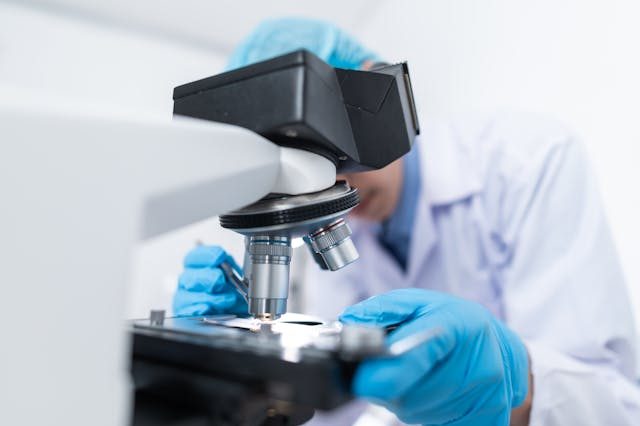
  • Follow Manufacturer Guidelines: Each piece of equipment comes with a manual detailing its proper use and maintenance. Always refer to these guidelines before operating any instrument.
  • Use Equipment as Intended: Avoid overloading centrifuges, using incorrect pipette tips, or exposing sensitive instruments to conditions beyond their specifications.
  • Train Personnel: Ensure that all laboratory personnel receive adequate training on how to handle and maintain equipment properly.
  • Store Equipment Correctly: Keep delicate instruments in their designated storage spaces to prevent accidental damage. For example, microscopes should be covered when not in use to protect them from dust and debris.
  • Monitor Performance: Regularly check for signs of wear and tear, such as unusual noises, calibration errors, or inconsistent readings, and address them promptly.
A scientist wearing blue gloves and a lab coat looks through a microscope in a laboratory setting.

Keep Your Workspace Clean and Organized

A clean and organized workspace is essential for maintaining laboratory equipment. Dirt, dust, and clutter can compromise the performance and accuracy of sensitive instruments. Best practices for maintaining a clean lab environment include:


  • Establish Cleaning Protocols: Assign specific personnel to clean workstations, equipment, and storage areas at designated intervals.
  • Use Appropriate Cleaning Agents: Select cleaning solutions that are safe for the specific materials of your equipment to avoid damage.
  • Implement Waste Management Procedures: Dispose of used chemicals, biological samples, and broken glassware properly to prevent contamination and hazards.
  • Control Air Quality: In cleanroom environments, air filtration systems should be regularly maintained to reduce airborne contaminants that could affect sensitive equipment.
  • Keep Cables and Tools Organized: Tangled wires and misplaced tools can lead to accidental damage or misalignment of instruments. Use labeled storage for accessories and keep work areas free from unnecessary items.

Schedule Regular Calibration and Certification

Calibration and certification are necessary to ensure the accuracy and reliability of laboratory equipment. Over time, even high-quality instruments can drift from their original settings, leading to inaccurate results. To maintain precision, follow these steps:


  • Develop a Calibration Schedule: Different instruments require calibration at varying intervals. Establish a routine that aligns with manufacturer recommendations and industry regulations.
  • Use Certified Calibration Services: Work with accredited professionals to calibrate sensitive equipment like balances, spectrophotometers, and pipettes.
  • Document Calibration Data: Maintain records of all calibration activities, including dates, results, and corrective actions taken.
  • Verify Performance with Control Samples: Regularly test equipment using known standards to identify potential issues before they cause significant errors.
A researcher wearing blue gloves uses a multi-channel pipette to dispense liquid into a 96-well plate in a laboratory.

Implement Preventive Maintenance Programs

Preventive maintenance helps laboratories avoid unexpected equipment failures and costly repairs. This proactive approach includes:


  • Routine Inspections: Conduct visual and functional inspections of equipment to identify signs of wear, leaks, or loose components.
  • Lubrication and Cleaning: Some equipment, such as centrifuges and autoclaves, require periodic lubrication and cleaning to function properly.
  • Replacement of Consumables: Air filters, gaskets, and tubing degrade over time and should be replaced according to the manufacturer’s recommendations.
  • Software and Firmware Updates: Many modern lab instruments rely on software for operation. Keeping systems updated ensures compatibility and optimal performance.
  • Emergency Maintenance Protocols: Develop a contingency plan for equipment failures, including access to backup instruments and service contracts.

Cleanroom Testing: Ensuring a Contaminant-Free Environment

Maintaining laboratory equipment goes beyond cleaning workspaces and calibrating instruments—it also involves ensuring that the overall environment remains free from contaminants. Cleanroom testing plays a vital role in protecting sensitive equipment from airborne particles, fluctuations in pressure, and other environmental factors that can affect performance and reliability.


The Modulus Cleanroom team offers comprehensive cleanroom testing services to ensure that laboratory spaces remain controlled and compliant. Our services include:
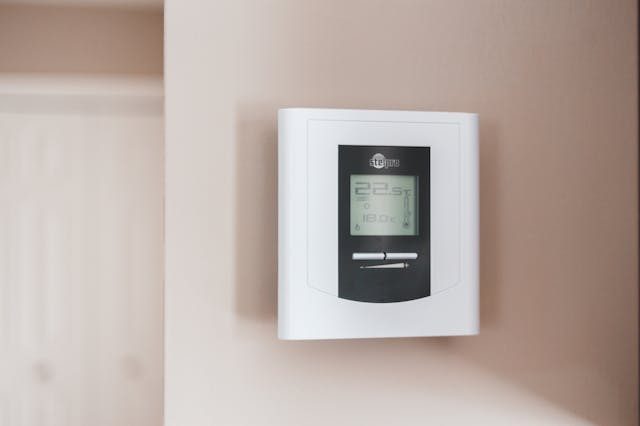
 

  • Airflow verification: Assessing room and air changes per hour to maintain consistent air quality.
  • Filter integrity testing: Also known as leak scan testing, this ensures that air filtration systems are functioning properly.
  • Room differential pressure testing: This helps prevent cross-contamination between different laboratory areas.
  • Non-viable airborne particle concentration: Measuring particle levels to maintain a contamination-free environment.
  • Temperature & RH testing: Ensuring that humidity and temperature remain within required parameters.
white-thermostat-hanging-on-a-wall

By incorporating cleanroom testing into your maintenance routine, you can prevent contamination-related equipment malfunctions, protect research integrity, and ensure compliance with industry regulations.

Bottom Line

Maintaining laboratory equipment is critical for ensuring accuracy, safety, and efficiency in a lab setting. Proper equipment handling, a clean workspace, regular calibration, and preventive maintenance all contribute to optimal performance and longevity. By following these best practices, laboratories can reduce downtime, minimize errors, and maintain compliance with industry standards.


Modulus Cleanrooms specializes in providing controlled environments that support the proper maintenance of laboratory equipment. Our cleanroom solutions help prevent contamination, enhance air quality, and ensure a pristine workspace for sensitive instruments. Whether you need a custom cleanroom or routine testing services, Modulus Cleanrooms can provide tailored solutions to meet your laboratory’s needs.


Contact us today to learn how we can help maintain the integrity of your laboratory equipment and optimize your workspace for long-term success.