

Cleanrooms are used across many industries, from electronics manufacturing to biotechnology and healthcare. These highly controlled environments are specifically designed to minimize particulate contamination and maintain consistent levels of cleanliness at all times.
But how exactly do they do this? In this article, the experts at Modulus Cleanrooms will delve into the purpose and function of cleanrooms, as well as the science that enables them to maintain such strict levels of cleanliness.
A cleanroom is a controlled environment used to maintain extremely low levels of particles, microbes, and other contaminants. These rooms are classified based on how clean the air is, with standards that vary depending on the industry and application.
Cleanrooms can range in size from small laboratory spaces to large manufacturing floors, and their classification often depends on the level of particulate cleanliness, measured by the number of particles per cubic foot at a given particle size. Cleanrooms play a critical role across various industries where product purity and precision are paramount. Here are some of the most common applications of cleanrooms:
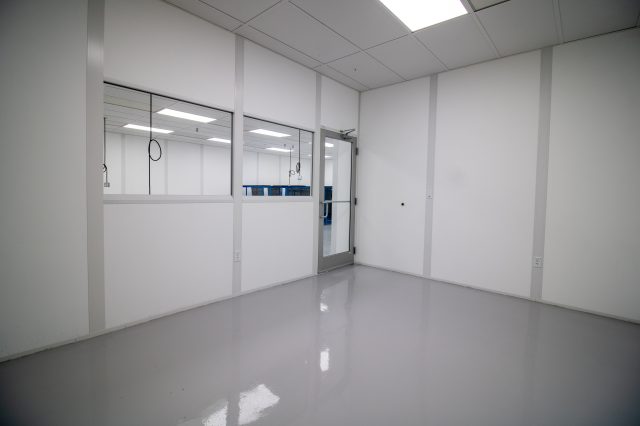
The International Organization for Standardization (ISO) classifies cleanrooms depending on their cleanliness levels, ranging from ISO 1 (the cleanest, allowing < 10 particles per cubic foot) to ISO 9 (similar to typical ambient air). All cleanrooms have an intricate system of filters, pressurization, and air circulation that ensure that particle levels stay within acceptable limits. Here’s how all of that comes together to maintain a clean and sanitary environment:
The backbone of any cleanroom is its air filtration system, which typically includes HEPA or ULPA filters. HEPA filters can capture particles as small as 0.3 microns, while ULPA filters capture even smaller particles. These filters are installed in conjunction with the HVAC system to continually filter out contaminants from the air.
Cleanrooms often utilize laminar or unidirectional airflow, where filtered air flows in parallel streams across the room. This system, combined with pressurization, pushes contaminated air out, preventing particles from settling on surfaces. In high-grade cleanrooms, air is circulated and filtered frequently as the ACH is based on ISO level required, ensuring that airborne particles are continually removed.
Controlling the pressure within a cleanroom is crucial to maintain its cleanliness. Cleanrooms often operate under positive pressure, meaning that the air pressure inside the room is higher than outside. This prevents contaminants from entering because air flows outward when the doors are opened.
Conversely, some cleanrooms, particularly those handling hazardous materials, may use negative pressure to contain particles within the space and prevent contamination from escaping outside. Maintaining consistent pressure requires careful monitoring and specialized equipment to prevent fluctuations. Any pressure imbalance could lead to contamination, especially in high-sensitivity environments.
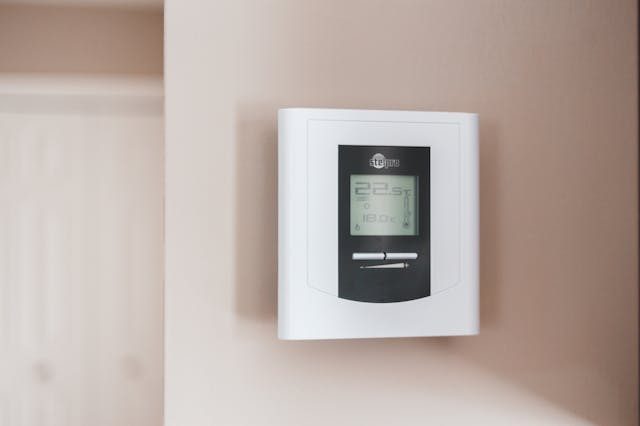
Both temperature and humidity control can play a role in reducing contamination risks and maintaining product integrity. High humidity levels can encourage microbial growth, while temperature variations can affect sensitive equipment and materials. By keeping these variables tightly regulated, cleanrooms create an environment where contaminants are less likely to thrive.
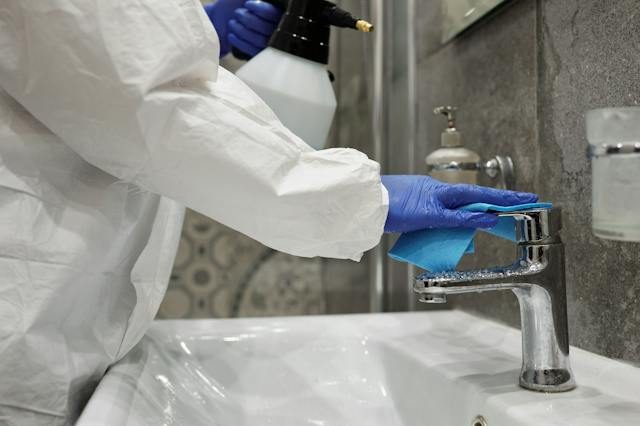
In addition to advanced technology, cleanroom personnel follow strict cleaning protocols and wear specialized garments to limit contamination. Garments, such as coveralls, gloves, masks, and goggles, are made from non-shedding materials to prevent particles from entering the cleanroom.
Personnel are trained in proper procedures for entering, exiting, and working within the space to limit the introduction of contaminants. Additionally, personnel must follow a strict cleaning routine, which often involves wiping down surfaces with sterile wipes and using cleaning agents that are compatible with the specific cleanroom requirements.
Floors, walls, and equipment are regularly cleaned or disinfected, with particular attention to high-touch areas. Special vacuum systems, designed for cleanroom environments, are used to remove particles that cannot be eliminated through air filtration alone.
Modern cleanrooms are equipped with monitoring systems that continually measure particle counts, pressure levels, humidity, and temperature. These systems provide real-time feedback, allowing operators to adjust the conditions as necessary. Alarms and notifications are triggered if levels deviate from acceptable ranges, enabling swift corrective action to prevent contamination.
Cleanrooms are an essential piece of equipment in industries where even the smallest contaminant could compromise product quality, safety, or research integrity. Through specialized filtration, controlled airflow, pressurization, strict cleaning protocols, and advanced monitoring systems, cleanrooms can help you maintain an environment that is as free from contaminants as possible.
Are you looking for an effective, efficient cleanroom solution? Contact Modulus Cleanrooms! With over 20+ years of experience, our specialists know exactly what is needed to develop a customizable, high-quality cleanroom that meets your application and ISO class.