

Temporary Cleanroom Solutions: When and Why Modular Makes Sense

Temporary Cleanroom Solutions When and Why Modular Makes Sense

Key Takeaways

  • Modular cleanrooms = flexibility: Need a cleanroom fast? Modular solutions go up quickly and can be reconfigured as needed.
  • Budget-friendly choice: Fixed cleanrooms can be pricey. Modular ones help you save money while still meeting strict industry standards.
  • Perfect for changing business needs: Whether you’re scaling up, shifting locations, or running a short-term project, modular cleanrooms adapt to you.
  • Minimal downtime, maximum efficiency: No long construction delays—just fast, reliable cleanroom solutions when and where you need them.

In industries requiring controlled environments, such as research and development, biotechnology, and electronics, cleanrooms are essential. However, traditional fixed cleanrooms may not always be the best choice. 


Modular cleanrooms from Modulus Cleanrooms offer flexibility, cost-efficiency, and scalability, making them a preferred solution in specific scenarios. This article explores when and why modular cleanrooms are a smart choice and delves into their benefits over fixed cleanrooms.

What Are Modular Cleanrooms?

Modular cleanrooms are pre-fabricated, customizable cleanroom solutions designed for rapid deployment and adaptability. Unlike fixed cleanrooms, which are permanent structures, modular cleanrooms are built using panels and components that can be assembled, disassembled, and reconfigured as needed.


The modular design allows for a high level of flexibility, making these cleanrooms an ideal choice for businesses that require temporary or scalable solutions.


Whether used as a long-term strategy or a stop-gap measure, modular cleanrooms meet stringent cleanliness and regulatory standards while offering unparalleled convenience.

When Do Modular Cleanrooms Make Sense?

There are several scenarios where modular cleanrooms are an obvious choice:

1. Temporary Requirements

Projects with short timelines often necessitate cleanroom environments for limited periods. Modular cleanrooms can be installed quickly, meeting the needs of such temporary operations without requiring a permanent investment.
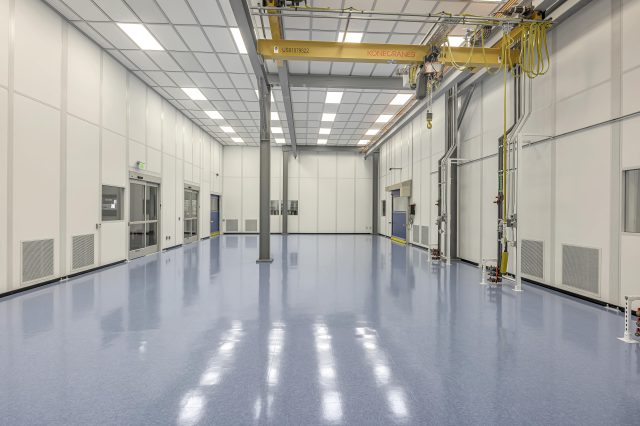
ISO 7 Cleanroom with large equipment and machinery access

For example, a research and development company conducting clinical trials might need a cleanroom for a few months to manufacture or test a product. A modular cleanroom can provide the required environment and be dismantled once the project is complete.

2. Changing Business Needs

Businesses in rapidly evolving industries often face shifting demands. A modular cleanroom’s ability to scale up or down makes it a practical solution.


For instance, a biotech startup experiencing sudden growth might need to expand its cleanroom facilities. Modular designs allow for easy integration of additional components, accommodating business growth without significant downtime or construction costs.

3. Cost Constraints

Fixed cleanrooms are a significant investment, making them unsuitable for businesses with limited budgets. Modular cleanrooms offer a more cost-effective solution by reducing upfront expenses and ongoing maintenance costs.


Additionally, modular cleanrooms can be leased or rented, providing a financial advantage for businesses looking to optimize cash flow.

4. Relocation Needs

Companies that anticipate moving their operations to new locations benefit from modular cleanrooms. These structures can be disassembled, transported, and reassembled with minimal effort, ensuring continuity in operations.

Benefits of Modular Cleanrooms

The unique features of modular cleanrooms provide several advantages over traditional fixed options:
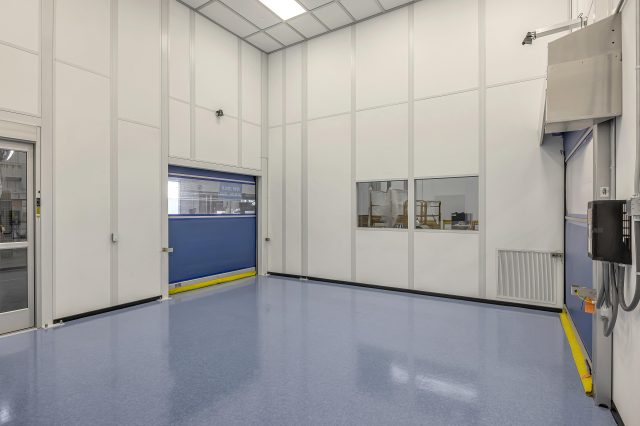
certified with iso 7 cleanroom with accessible maintenance deck
  • Speed of Installation: Modular cleanrooms are pre-engineered and pre-fabricated, enabling quick assembly. In industries where time-to-market is critical, such as biotech or electronics, this rapid deployment can save valuable time.
  • Customization: Every industry has specific cleanroom requirements, from air quality standards to temperature controls. Modular cleanrooms are highly customizable, allowing businesses to tailor them to their needs without compromising compliance.
  • Portability: As discussed earlier, modular cleanrooms can be relocated easily, making them ideal for businesses with dynamic operational needs.
  • Regulatory Compliance: Despite their temporary nature, modular cleanrooms are built to meet strict industry standards. They offer the same level of cleanliness and contamination control as fixed cleanrooms, ensuring regulatory compliance.
  • Reduced Downtime: Constructing a fixed cleanroom often involves significant downtime, disrupting business operations. Modular cleanrooms can be installed with minimal interruption, ensuring business continuity.

Industries That Benefit Most From Modular Cleanrooms

While modular cleanrooms have applications across various sectors, some industries benefit more than others:

  • Biotechnology: These industries require controlled environments to develop and test products. Modular cleanrooms provide the necessary flexibility for R&D activities, clinical trials, and product scaling.
  • Electronics and Semiconductors: Even a small amount of contamination can compromise sensitive electronics. Modular cleanrooms ensure precision manufacturing while adapting to rapidly changing technological demands.
  • Aerospace: The aerospace industry often requires cleanrooms for assembling components. Modular solutions can be easily tailored to meet the specific requirements of different projects.
  • Healthcare: Hospitals and healthcare facilities often use modular cleanrooms for temporary isolation units, medical device manufacturing, and research. Their quick installation is particularly useful during emergencies, such as pandemics.
Hospital monitoring equipment displaying patient vital signs on screens.

Future Trends in Modular Cleanrooms

As industries evolve, the demand for modular cleanrooms is expected to grow. Several trends are shaping the future of these innovative solutions:

  • Sustainable Design: Environmental concerns are driving the adoption of sustainable practices in cleanroom design. Modular cleanrooms are increasingly being constructed with eco-friendly materials and energy-efficient systems to reduce their carbon footprint.
  • Smart Technology Integration: The integration of IoT and smart technologies allows modular cleanrooms to offer advanced monitoring and control features. Real-time data collection and automation improve efficiency and compliance.
  • Hybrid Cleanrooms: A combination of modular and fixed designs is emerging as a trend, providing businesses with the benefits of both solutions. Hybrid cleanrooms offer flexibility while maintaining long-term usability.
  • Global Adoption: As industries expand globally, the need for portable and adaptable cleanroom solutions is increasing. Modular cleanrooms provide a standardized solution for multinational companies operating in diverse regions.

Choosing Modular Cleanrooms for Your Business

Understanding when and why modular cleanrooms make sense is crucial for businesses. These solutions offer unparalleled flexibility, cost savings, and adaptability, making them an ideal choice for temporary needs, scaling operations, or dynamic business environments.


By considering modular cleanrooms, businesses can ensure compliance, reduce costs, and maintain operational efficiency. Whether you’re a startup in need of a quick solution or an established company looking to expand, modular cleanrooms provide the adaptability necessary to thrive in today’s fast-paced industries.


Contact Modulus Cleanrooms if you need professional assistance, and we will be happy to help you.