
Cleanroom classification tells you how clean your space really is, based on the number of airborne particles present. That’s why regular testing is so important. It verifies that your cleanroom still meets its intended ISO class, supports quality control, and keeps you prepared for inspections or audits.
At Modulus Cleanrooms, we design modular cleanroom systems that make it easier to test, maintain, and validate performance over time. Here’s what you need to know about cleanroom classification testing and how to stay on top of it.
Cleanrooms are classified according to how many particles are present per cubic meter of air at a specific particle size. Most cleanrooms today follow the ISO 14644-1 standard, which replaced the older FED STD 209E system in many industries.
Each ISO class defines the maximum allowable number of airborne particles at various micron sizes. For example, an ISO Class 5 cleanroom allows far fewer particles than an ISO Class 8 space. The lower the class number, the cleaner the room needs to be.
Understanding your cleanroom’s classification helps guide everything from equipment placement to airflow design, and it’s essential when planning testing procedures. Your ISO class tells you what your cleanroom is expected to maintain and what needs to be measured during regular testing.
Even the most carefully designed cleanroom needs regular testing to stay on track. Over time, wear and tear, equipment changes, or even simple airflow disruptions can affect particle levels. That’s why cleanroom testing is so valuable.
Regular classification testing helps verify that your space still meets the performance standards it was designed for. It plays a key role in regulatory compliance, process control, and risk management, especially in industries where precision and cleanliness are critical.
Sectors rely on testing to keep quality consistent and protect their processes. Testing also gives you the data you need to demonstrate audit readiness, which is especially important if your work involves inspections from external agencies or internal stakeholders.
This is the core test used to determine your cleanroom’s ISO classification. It measures the number of airborne particles at different sizes in a given volume of air, using specialized equipment called laser particle counters.
To perform the test, a technician samples air from various points throughout the cleanroom. The number of required sampling locations depends on the room’s size, layout, and classification level. ISO 14644-1 provides guidance on how many samples are needed and where they should be taken.
These measurements are compared to the acceptable limits for your cleanroom class. If the particle counts fall within those limits, your cleanroom maintains its classification. If not, adjustments may be needed to restore performance.
HEPA or ULPA filters play a key role in keeping cleanrooms clean. Over time, small leaks can form in the filters or their seals, which can allow contaminants into the space. That’s where filter integrity testing comes in.

This test involves introducing a challenge aerosol (typically DOP or PAO) upstream of the filter and scanning the downstream side with a photometer. The goal is to detect any leakage that could affect air quality.
Filter integrity testing ensures your airflow remains clean and that filters are still performing as intended. It’s especially important after filter replacement or if contamination events are suspected.
Airflow is one of the biggest factors in cleanroom performance. Measuring the volume and velocity of air in your cleanroom helps confirm that the system is delivering the proper number of air changes per hour and that air is flowing in the right direction.
This test usually involves using an anemometer to take readings from supply diffusers, returns, or other key points. Consistent airflow helps sweep particles out of the space and maintain pressure relationships between rooms.
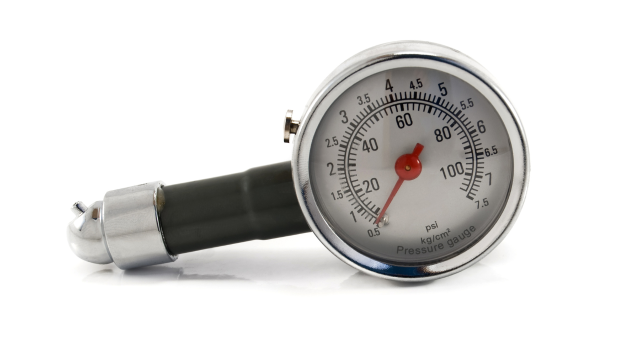
Maintaining proper pressure is essential for controlling contamination. Cleanrooms are often designed to operate at a higher pressure than surrounding spaces, which helps keep particles from entering the controlled environment.
Room pressurization testing checks that this pressure differential is being maintained. The test typically measures the difference in pressure between adjacent spaces using a manometer or pressure sensor.
Positive pressure is used to protect cleaner rooms from less-clean ones, while negative pressure may be used in specialized settings where containment is the goal. Either way, the layout and airflow design need to support stable pressure zones.
According to ISO 14644-2, cleanrooms should be tested at regular intervals to ensure ongoing compliance. Most cleanrooms follow a testing schedule of every 6 or 12 months, depending on their ISO class and risk profile. Facilities handling sensitive processes or operating at tighter classifications may choose to test more frequently, especially in high-traffic areas or critical production zones.
ISO guidelines recommend a risk-based approach to setting test intervals. This means evaluating your cleanroom’s use, environmental conditions, and process sensitivity to determine the most appropriate schedule.
In some cases, facilities may also use continuous monitoring systems to track performance between scheduled tests. These tools provide real-time data that can help catch issues early and keep everything running smoothly.
Cleanroom testing can be performed by an in-house team if they have the proper training and equipment. However, many facilities choose to work with certified third-party professionals who specialize in cleanroom classification.
Modulus Cleanrooms has experienced cleanroom testing providers who understand the details of ISO classification and how to test effectively. Whether you’re validating a new build or retesting an existing space, working with knowledgeable professionals ensures that results are accurate and actionable.
At Modulus Cleanrooms, we design, build, and support modular cleanrooms that make testing and compliance easier. Our systems are built with airflow, pressure zoning, and classification requirements in mind, so you can confidently meet ISO standards from day one.
We also offer ongoing support for validation, maintenance, and test preparation. Whether you need help organizing a test schedule, interpreting particle count data, or adjusting airflow systems, our team is here to help.
Cleanroom performance isn’t just about day-to-day operations. It starts with a smart layout, continues through proper installation, and depends on regular testing to stay on track. That’s why we design every cleanroom with testability and future readiness in mind.
Testing your cleanroom classification is one of the most important steps in keeping your space clean, compliant, and efficient. By staying on top of regular testing and making sure your cleanroom meets its classification standards, you can protect your team, your products, and your long-term success.
If you’re planning your next classification test or designing a space that needs to meet specific ISO requirements, reach out to Modulus Cleanrooms. We’re here to support every step of your cleanroom journey.