
Across various fields, from medicine to manufacturing, maintaining a pristine environment is critical. This is where cleanrooms come in – specially designed spaces with controlled air pressure, temperature, and humidity to minimize contamination. But how do companies ensure their cleanrooms are truly effective? That’s where cleanroom testing and certification come into play.
Let’s explore some key industries that leverage cleanroom technology and the benefits of certification:

Cleanrooms are essential for drug development and manufacturing, ensuring sterile conditions. Nearly 70% of pharmaceutical companies, which are heavily integrated within the biotechnology industry, rely on cleanroom technology. Certification ensures compliance with ISO standards and regulatory requirements.
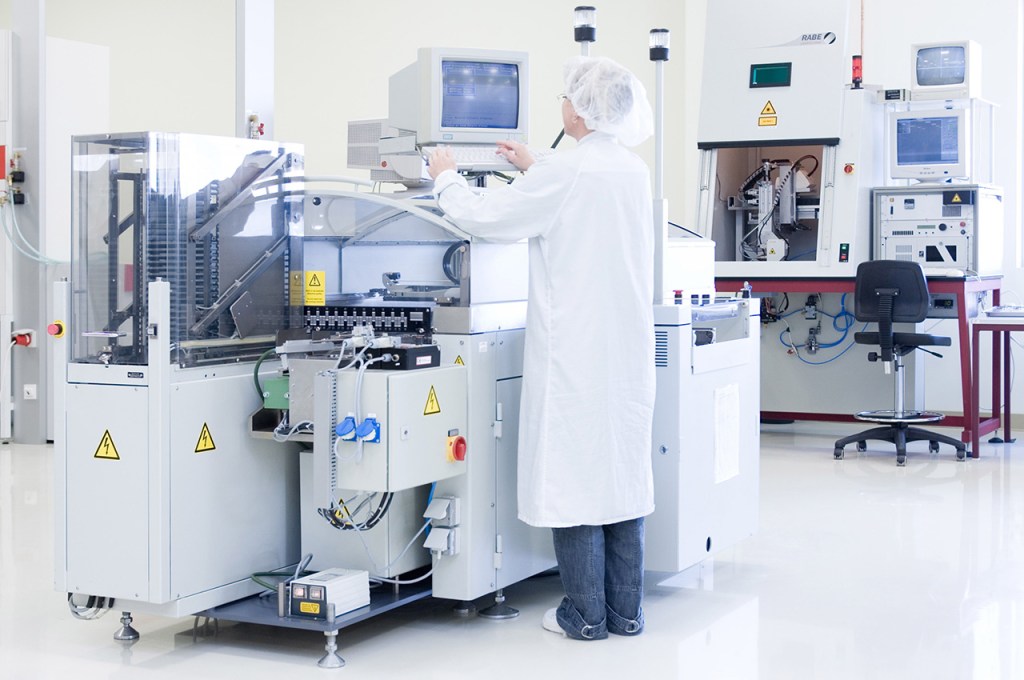
Cleanrooms are vital for assembling sensitive electronic components, reducing product defects by up to 80%. Certified cleanroom testing guarantees ISO-approved cleanliness, crucial for electronic product protection.

Cleanrooms prevent microbial contamination, reducing product recalls by 50% in the medical field. Certification ensures adherence to ISO quality standards, safeguarding product safety and efficacy.

In the packaging industry, cleanrooms ensure the sterility of packaging used in sensitive environments such as food, pharmaceuticals, and electronics. Maintaining contaminant-free packaging reduces risks of cross-contamination, essential for consumer safety and product integrity. About 60% of packaging facilities that serve healthcare and food sectors utilize cleanroom technology to meet critical safety standards. Certification in this sector confirms compliance with stringent hygiene standards critical for these applications.
Cleanroom testing and certification offer a multitude of advantages that extend far beyond the controlled environment itself:
Certified cleanrooms increase product quality and consistency by 30%. According to a report by the Journal of Quality Assurance, cleanroom testing and certification ensure ISO-approved cleanliness levels.
Certification reduces regulatory penalties by 20%, ensuring legal adherence to ISO certification requirements for companies. Research published in the Journal of Regulatory Compliance confirms the importance of ISO certification in meeting regulatory standards
Certification reduces the risk of product recalls by up to 40%. A study published in the Journal of Risk Management emphasizes that cleanroom testing and certification mitigate potential issues, ensuring certified testing of cleanrooms
Certified cleanrooms reduce production costs by 25%. According to a report by the International Journal of Cost Management, ISO quality certification guarantees cost-effective operations and compliance.